Top 10 Benefits of Flexible PCBs for Modern Electronics?
In the rapidly evolving world of electronics, innovation is key. Flexible Pcbs are becoming essential in modern designs. These circuit boards offer unique advantages that traditional rigid boards cannot match. They are lightweight, making devices easier to carry. Their thin profile allows more flexibility in product design, enabling manufacturers to create compact devices.
The adaptability of flexible PCBs also shines in various applications. From smartphones to medical devices, they play an important role. However, not all designs leverage their full potential. Some manufacturers may overlook their benefits, leading to missed opportunities. This oversight can limit product functionality and user experience.
As technology advances, the demand for flexibility increases. Consumers seek slimmer, multifunctional devices that fit their lifestyles. Flexible PCBs can meet these expectations, but they require careful consideration during production. The benefits are clear, yet many companies must rethink their approach to harness their full potential. In an era where efficiency is crucial, embracing flexible PCB technology is not just an option; it’s essential.
Advantages of Flexible PCBs Over Traditional Rigid PCBs
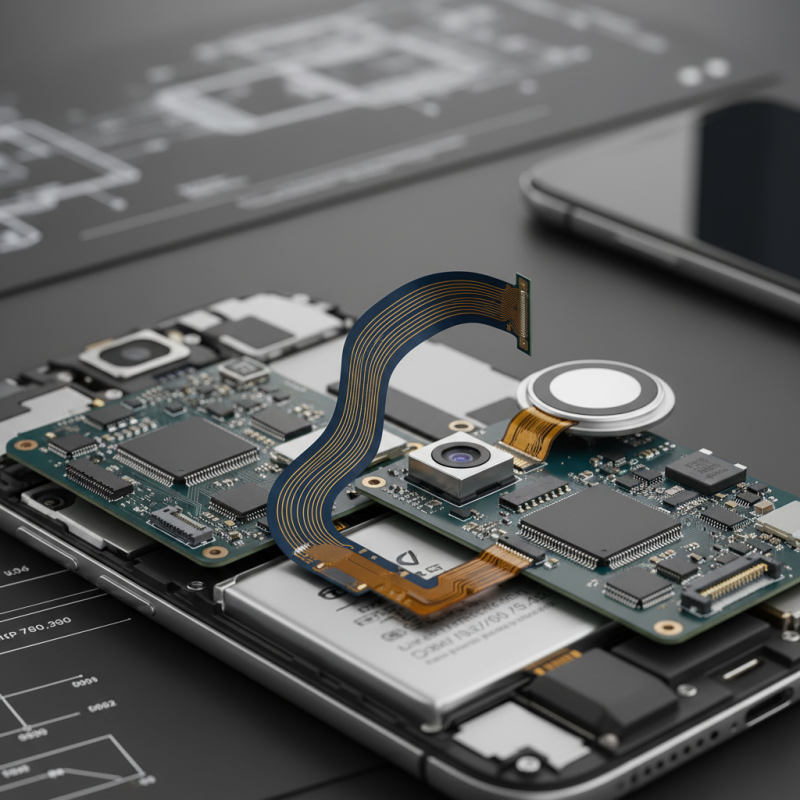
Flexible printed circuit boards (PCBs) offer distinct advantages over traditional rigid PCBs. They can bend and twist, fitting into compact designs that rigid boards cannot. This flexibility allows for innovative product designs in smartphones, wearables, and medical devices. Because they can conform to various shapes, flexible PCBs help save space inside devices. This is crucial in today's miniaturized technology.
With fewer layers and a lightweight design, flexible PCBs can reduce overall manufacturing costs. They often require less material, which also decreases waste. However, the production of flexible PCBs can sometimes lead to defects. This is a challenge that manufacturers need to address constantly. High-performance applications may still face limitations in terms of thermal management. Companies must consider these factors during the design phase.
Tip: When designing with flexible PCBs, think about thermal expansion. Materials expand at different rates. Ensure your design accommodates this to avoid failures.
Flexible PCBs can also withstand intense vibrations better than rigid counterparts. This makes them ideal for automotive and aerospace applications. Yet, flexibility might compromise some electrical performance. It's essential to balance design needs with performance requirements.
Tip: Test prototypes rigorously. This can help identify issues that might arise in real-world applications. Early testing can save time and costs later.
Enhanced Design Flexibility and Space-Saving Capabilities
Flexible printed circuit boards (PCBs) offer unparalleled design flexibility for modern electronics. Their unique structure allows them to bend and twist, fitting into complex shapes. This versatility is crucial for compact devices like smartphones and wearables. Engineers can utilize the three-dimensional space more effectively. Components can be stacked or arranged creatively to optimize layout.
Space-saving capabilities are vital in today's technology-driven world. Traditional rigid PCBs often limit design options and may require larger enclosures. Flexible PCBs can squeeze into tighter spaces without compromising functionality. This also reduces the overall weight of devices, which is a significant benefit for portable electronics. However, the manufacturing process of flexible PCBs can be more challenging. Not all designs may translate successfully into production.
Achieving the perfect design may require multiple iterations. Engineers often face hurdles in ensuring stability and performance. Despite these challenges, the rewards can be substantial. With careful planning, flexible PCBs can lead to innovative solutions that incredibly transform electronics. There’s always room for improvement in design considerations and material choices. Flexibility comes with its own set of complexities, but the potential benefits are worth the effort.
Improved Durability and Reliability in Extreme Conditions
Flexible printed circuit boards (PCBs) are gaining traction in modern electronics, especially for their enhanced durability. Traditional rigid boards often crack under pressure or in extreme temperatures. In contrast, flexible PCBs can withstand bending, twisting, and even vibrations. This flexibility reduces the risk of damage during operations, making them ideal for wearable devices and compact electronics.
The real advantage comes when these boards face harsh conditions. They continue to perform reliably in extreme temperatures, moisture, and corrosive environments. This reliability is crucial in sectors like aerospace or medical devices. However, their manufacturing process can be complex. Sometimes, design flaws arise that compromise their performance. Designers must remain vigilant about expectations versus reality. Innovations can lead to unforeseen challenges. Yet, flexible PCBs represent a significant step forward in ensuring that electronics can thrive, even in the toughest situations.
Top 10 Benefits of Flexible PCBs for Modern Electronics
Flexible PCBs (Printed Circuit Boards) are becoming an essential component in modern electronics due to their unique advantages. This chart illustrates the top 10 benefits, focusing on improved durability and reliability in extreme conditions among other advantages.
Cost-Effectiveness and Efficiency in Manufacturing Processes
Flexible printed circuits (PCBs) have transformed modern electronics. They provide cost-effectiveness and efficiency in manufacturing processes. Their design allows for reduced materials, which directly cuts costs. This reduction is beneficial for large-scale production.
These PCBs save space. Their flexibility means they can fit into smaller devices. It allows for innovative designs, but not all designs will work perfectly. Some may face durability issues. It’s essential to prioritize quality while embracing this flexibility.
**Tip:** Always evaluate the long-term benefits versus the immediate costs. Consider how well flexible PCBs match your specific project needs.
Another advantage is faster assembly. Flexible PCBs can streamline production lines. However, this speed can sometimes lead to oversight. Mistakes in the early phases can result in greater losses later on. Consistent quality checks are vital.
**Tip:** Always invest in training teams. This ensures they understand the unique challenges of working with flexible materials.
Integration of Advanced Technologies in Modern Electronics
The integration of advanced technologies in modern electronics is crucial. Flexible printed circuit boards (PCBs) play a significant role in this evolution. Their lightweight and adaptable nature enables engineers to create compact and intricate designs. A report by IDTechEx states that the flexible PCB market is projected to reach $19 billion by 2026. This growth reflects the rising demand for miniaturized devices.
Flexible PCBs support innovations in various sectors, including healthcare and automotive. They facilitate the development of wearables and IoT devices, which require flexibility. The ability to bend and twist without compromising performance opens new design possibilities. However, crafting these circuits presents challenges. High initial costs and production complexity can deter some manufacturers.
Tip: Always consider long-term costs versus short-term savings when choosing materials for flexible PCBs. This decision impacts overall product quality and durability.
As technology advances, integrating flexible PCBs might become essential. However, companies must carefully assess the trade-offs. They need to explore the balance between flexibility and reliability. Emerging applications may not always demand flexible solutions. It’s a landscape that requires continuous reflection and adaptation.
Tip: Experiment with prototypes before mass production. Testing various configurations can reveal valuable insights for future projects.

