Back
Contact us

2026 Best High Pressure Relief Valve Types Explained

Understanding high pressure relief valves is vital for safe operations in various industries. These valves protect equipment from unexpected pressure changes. They ensure systems function efficiently without risking damage.

There are various types of high pressure relief valves, each suited for different applications. Some valves are designed for specific pressures and conditions. Choosing the right one can be challenging. It’s important to consider factors like flow capacity and materials.

Many users overlook maintenance. Neglecting regular checks can lead to failures. High pressure relief valves need attention to ensure reliability. Proper selection and upkeep are crucial for system safety.
2026 Best High Pressure Relief Valve Types Explained

Overview of High Pressure Relief Valves and Their Importance

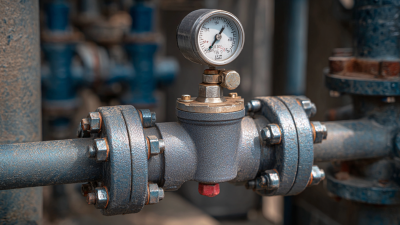
High pressure relief valves are crucial components in many industries. They help maintain pressure levels within safe limits. This protection prevents equipment failure and ensures safety for personnel. A malfunctioning valve could lead to dangerous situations. It’s important to regularly maintain these valves to avoid potential hazards.

Understanding the different types of high pressure relief valves is essential. Each type serves a unique function. For example, spring-loaded valves are simple yet effective. They open at a specific pressure to release excess pressure. Conversely, pilot-operated valves can handle higher pressures more efficiently. Identifying the right valve for your application can be challenging. Many factors to consider include pressure range and flow requirements.

Ignoring your pressure relief valves isn't wise. Regular testing and inspections can uncover hidden issues. Some operators may overlook this critical task. An unexpected failure can lead to costly downtime. Emphasizing preventive maintenance enhances safety and reliability in operations. Finding the balance between cost and safety is ever-present.

2026 Best High Pressure Relief Valve Types Explained - Overview of High Pressure Relief Valves and Their Importance

Valve Type Material Pressure Range (psi) Applications Key Features
Spring Loaded Stainless Steel 50 - 5000 Oil & Gas, Chemical Processing High reliability, easy calibration
Pneumatic Aluminum 100 - 3000 Aerospace, Automotive Low weight, high precision
Thermal Relief Brass 50 - 1500 Hydraulic Systems Simple design, effective for temperature changes
Pilot Operated Carbon Steel 300 - 6000 Power Generation, Marine High set pressure, stable performance
Vacuum Relief Thermoplastic -14.7 to 0 Storage Tanks, Pipeline Systems Prevents tank collapse, corrosion resistant

Types of High Pressure Relief Valves: A Comprehensive Guide

High pressure relief valves are crucial for safety in various applications. These devices prevent excess pressure buildup that could lead to catastrophic failures. Understanding the different types of high pressure relief valves is essential for choosing the right one.

One common type is the spring-loaded relief valve. It uses a spring mechanism to open at a preset pressure. However, it can sometimes malfunction if the spring gets damaged. Another option is the pilot-operated relief valve. This type is more complex but offers greater accuracy and responsiveness. Yet, its intricate design can lead to higher maintenance needs.

Additionally, there are valves designed for specific industries. For example, some valves are tailored for gas applications, while others are better suited for liquid services. This specialization helps prevent leaks and ensures efficiency. However, choosing the right valve involves detailed consideration, as the wrong choice can create hazards. Each type has strengths and weaknesses, making careful evaluation necessary.

2026 Best High Pressure Relief Valve Types Explained

This chart illustrates the percentage distribution of various types of high pressure relief valves available in the market as of 2026. Understanding these types can help in selecting the appropriate valve for specific applications.

Key Features to Consider When Choosing a Relief Valve

2026 Best High Pressure Relief Valve Types Explained

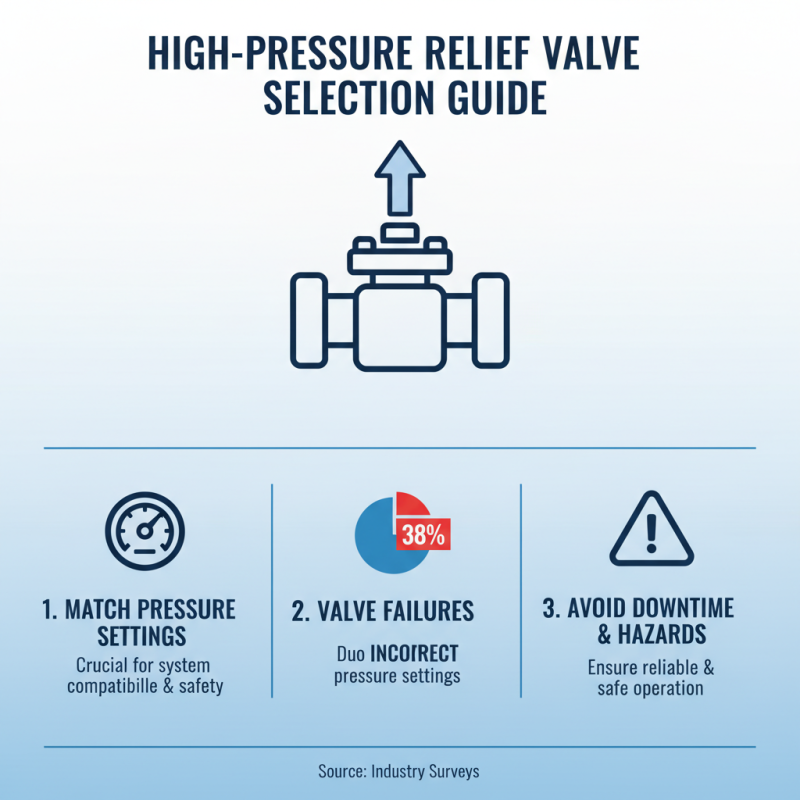
When selecting a high pressure relief valve, understanding key features is vital. Pressure settings should match system requirements. According to industry surveys, nearly 38% of valve failures stem from incorrect pressure settings. This can lead to unsafe operational conditions and costly downtime.

Material selection is another critical factor. Valves made from stainless steel or brass offer durability and corrosion resistance. However, cost considerations cannot be ignored. A study by the American Society of Mechanical Engineers found that 45% of companies failed to evaluate the life cycle cost of their valves before purchase. This oversight can result in higher long-term expenses and frequent replacements.

Sizing is equally important. An undersized valve may not provide adequate pressure relief, while an oversized valve can lead to system instability. Engineers recommend conducting a thorough analysis of flow requirements. Surprisingly, 70% of participants in a recent engineering survey admitted they did not follow proper sizing procedures. These common pitfalls highlight the need for diligent research and thoughtful decision-making in valve selection.

Applications of High Pressure Relief Valves in Various Industries

2026 Best High Pressure Relief Valve Types Explained

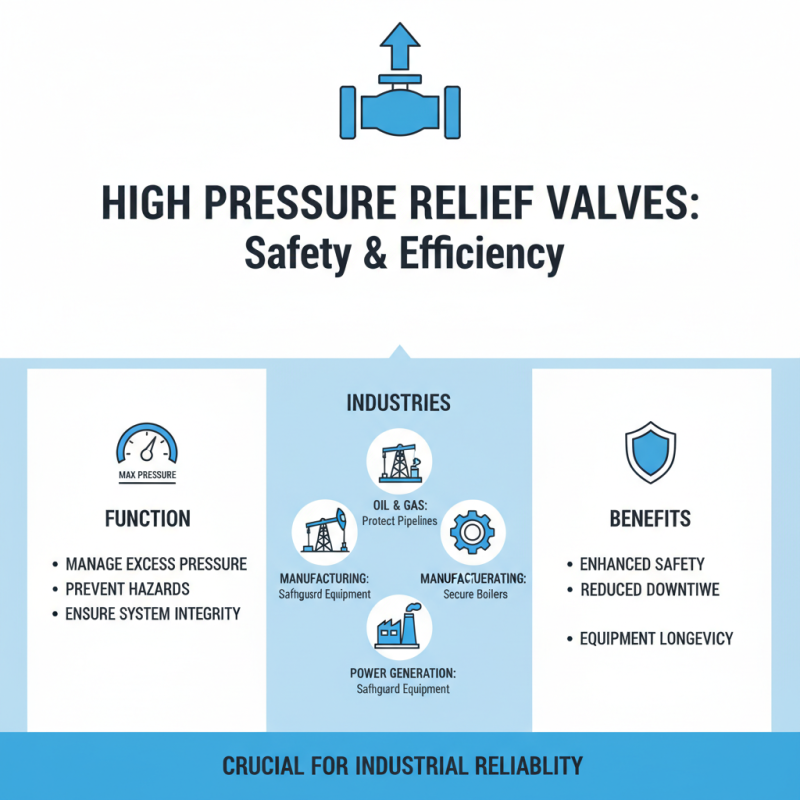
High pressure relief valves play a crucial role in various industries. They help manage excess pressure within systems. These valves prevent potential hazards, ensuring safety and efficiency. For instance, in the oil and gas sector, they protect pipelines from explosive pressures. In manufacturing, they safeguard equipment from damage.

Tips: Always assess your system's specific needs. Selecting the right valve can be complex. Consider pressure range, material, and application. Regular maintenance is crucial. Neglect can lead to failures.

In chemical processing, these valves control reactions. They ensure safe pressure levels, minimizing risks. In water systems, they prevent over-pressurization, maintaining stability. However, choosing a high pressure relief valve is not always straightforward. Different applications require different specifications. Miscalculations can lead to malfunctions.

Tips: Take time to research and compare options. Consult industry resources for guidance. Monitoring valve performance is vital. Early detection of issues can save time and money.

Maintenance Tips for Optimal Performance of Relief Valves

Regular maintenance is essential for high pressure relief valves. These components are critical for safety in various applications. Neglecting them can lead to malfunctions, resulting in dangerous situations or production loss. Inspecting the valve periodically can help identify early signs of wear or corrosion. Look for unusual sounds or pressure fluctuations; these can indicate an underlying problem.

Cleaning the valve is also important. Dust and debris can accumulate, affecting performance. Cleaning should be done using appropriate methods and materials. Additionally, check all connections and seals for leaks. A simple leak can lead to significant pressure loss. When working on the valves, keep a detailed log of maintenance activities. This record can reveal patterns over time, helping to anticipate future needs.

Adjusting the set pressure according to operational changes helps maintain optimal performance. However, adjustments should be made cautiously. Over-adjusting can create new issues. Lastly, be mindful of the operating environment. High temperatures or harsh conditions can accelerate wear. Regular monitoring and proactive maintenance can enhance the lifespan of these crucial components.