Best Non Return Valve Options for Global Buyers?
In the world of industrial applications, selecting the best non return valve is crucial. These valves play a vital role in controlling the flow of fluids, ensuring that they only move in one direction. With numerous options available, buyers often feel overwhelmed. Understanding the unique needs of different applications can enhance decision-making.
The effectiveness of a non return valve depends on its design and material. Some models may not perform well in high-pressure systems. This could lead to leaks or pressure loss. Evaluating these factors enables buyers to make informed choices that align with their operational requirements.
Ultimately, the right non return valve minimizes risk and enhances system efficiency. Buyers should prioritize researching suppliers with industry knowledge. Seeking expert opinions can aid in navigating this complex landscape. Reflecting on past experiences with different products may also inform future decisions.
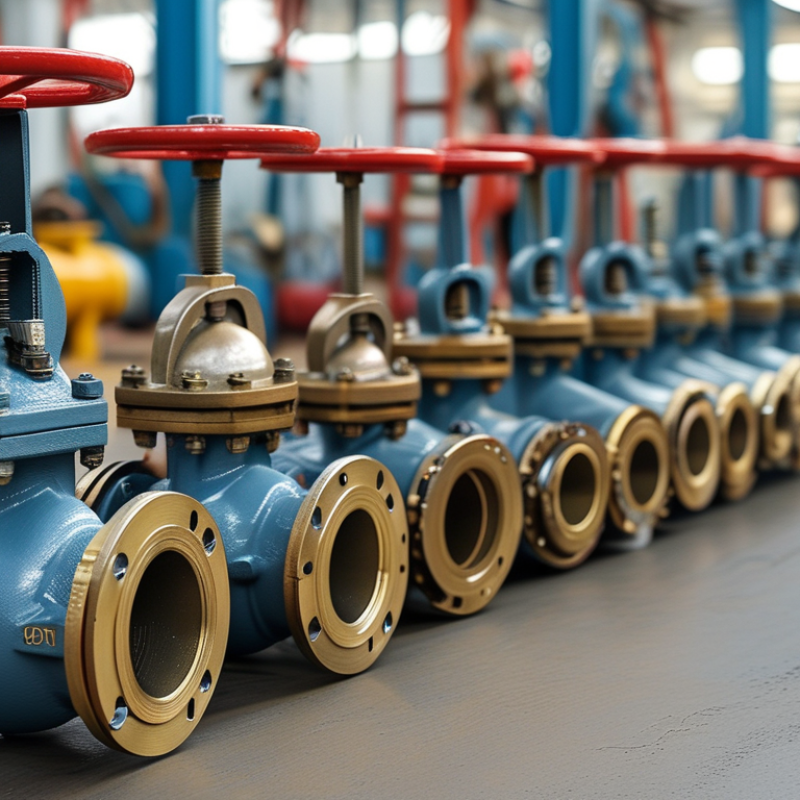
Best Non Return Valve Types for Various Applications in Global Markets
Non-return valves play a crucial role across various industries. They ensure unidirectional flow in pipelines, preventing backflow. According to a recent industry report by MarketsandMarkets, the global market for valves, including non-return types, is projected to reach USD 82 billion by 2027, marking a growth rate of 5.6% from 2022. This growth reflects the increasing need for reliable flow management in sectors like oil and gas, water treatment, and manufacturing.
In the oil and gas sector, swing check valves and lift check valves are commonly used. Swing check valves are preferred for their low-pressure drop and simple design. They work well in larger pipe sizes, making them popular choices for refinery applications. Lift check valves operate using a disk that moves vertically, providing a more compact alternative. According to the International Society of Automation, the choice of valve type can significantly impact system efficiency and maintenance costs, emphasizing the importance of selecting the right options based on specific operational needs.
In the water treatment industry, non-return valves are integral for preventing contamination and ensuring system integrity. Diaphragm check valves are often used for their excellent sealing capabilities and ability to handle various fluids. However, it's essential to evaluate the installation environment. Improper installation can lead to failure, resulting in costly downtime. Understanding the specific requirements and challenges of each application is vital for optimizing valve performance and longevity.
Key Considerations for Selecting Non Return Valves: Material and Design
When selecting non-return valves, the material plays a critical role. Common choices include brass, stainless steel, and plastic. Each material has its advantages and drawbacks. Brass offers durability but may corrode over time. Stainless steel is resistant to corrosion, making it suitable for harsh environments. Plastic is lightweight and cost-effective but may not withstand high pressure.
The design of the non-return valve also affects performance. Options range from swing check valves to lift check valves. Swing check valves use a disc that swings open and closed, ideal for low-pressure systems. Lift check valves operate with a disc that moves vertically, often better for high-pressure applications. Each design has its specific use cases, which may not always align with your needs. It’s essential to assess the system's requirements thoroughly.
Often, buyers overlook the importance of compatibility. An inappropriate choice can lead to leaks or system failure. Consideration of the intended application is crucial. Factors such as temperature, pressure, and flow rate must align with the valve specifications. Available options can sometimes be overwhelming, and it’s easy to make a choice based on price rather than quality. Balancing cost with functionality is a challenge many face.
Best Non Return Valve Options for Global Buyers
| Material |
Design Type |
Pressure Rating (PSI) |
Temperature Range (°C) |
Applications |
| Brass |
Swing |
150 |
-20 to 120 |
Water, Oil |
| PVC |
Ball |
100 |
-10 to 60 |
Chemical Processing |
| Stainless Steel |
Lift Check |
300 |
-40 to 200 |
Food and Beverage, Heavy Industry |
| Ductile Iron |
Dual Plate |
150 |
-10 to 100 |
Municipal Water Supply |
| Aluminum |
Non-Slam |
200 |
-40 to 80 |
Zonal Cooling Systems |
Global Market Trends: Demand and Supply of Non Return Valves
The global non-return valve market exhibits dynamic trends, influenced by various sectors such as oil and gas, water treatment, and HVAC systems. According to a recent market analysis, the non-return valve segment was valued at approximately $2 billion in 2022 and is projected to grow at a CAGR of about 4% through 2030. This growth reflects a steady demand for reliable flow control in industrial applications.
Regional demands differ significantly. North America leads in consumption, driven by advancements in infrastructure. In contrast, Asia-Pacific shows rapid growth potential. For instance, China is expected to increase its non-return valve market share due to rising industrial activity. However, challenges such as fluctuating raw material prices may impact manufacturers. This situation calls for strategic sourcing practices and innovation in material technologies, which could help mitigate cost uncertainties.
Furthermore, sustainability trends are reshaping the valve design criteria. The push for eco-friendly materials aligns with global efforts towards reducing carbon footprints. Consequently, companies must balance performance with environmental considerations, which is not always straightforward. The evolving landscape requires constant adaptation and impressive engineering capabilities. Indications suggest that the most successful products will be those that integrate innovative designs with efficiency while addressing the stringent regulatory standards in different regions.
Performance Metrics for Non Return Valves: Flow Rates and Pressure Ratings
Non-return valves are crucial components in many industrial systems. Their primary function is to ensure unidirectional flow, preventing backflow. Understanding performance metrics like flow rates and pressure ratings is essential when selecting the best options. According to industry reports, optimal flow rates for non-return valves can vary significantly based on design and material. For instance, certain applications may require valves that handle flow rates exceeding 100 liters per minute, while others need designs suitable for lower rates.
Pressure ratings are another critical aspect. Many non-return valves can handle pressures ranging from 100 to 300 PSI, ensuring performance in demanding environments. Reports from engineering standards indicate that higher-rated valves tend to exhibit better durability and resilience under harsh operating conditions. Choosing the right valve not only affects functionality but also influences maintenance costs and system longevity.
It is vital to evaluate these metrics against specific application needs. This sometimes leads to challenging decisions. Not every valve will perform optimally across all parameters. Users should assess potential trade-offs, like reduced flow efficiency versus increased durability. Monitoring and adjusting for system requirements can provide insights into improving overall performance.
Comparative Analysis of Leading Non Return Valve Brands Worldwide
The non-return valve sector has witnessed significant advancements, driven by rising global demand. According to a recent market report, the non-return valve market is projected to grow at a CAGR of 4.5% from 2021 to 2026. This growth indicates a robust interest from various industries, including water management, oil and gas, and manufacturing.
Diverse brands across regions employ various materials and technologies. For instance, some utilize brass and stainless steel for enhanced durability. Others strive to incorporate innovative designs to reduce maintenance. However, the performance of non-return valves is inconsistent, with some brands showing high reliability while others struggle with leakage or operational inefficiencies. Thus, buyers should conduct thorough comparisons based on performance data, as conflicts in reliability can lead to costly downtime.
Looking deeper into market data, a study highlighted that 30% of users reported issues with flow resistance. This information is crucial when selecting a non-return valve, as it greatly affects efficiency. Users should also reflect on their specific application needs, which can vary widely. Efficient solutions must be selected based on actual operational conditions, not just specifications or price.