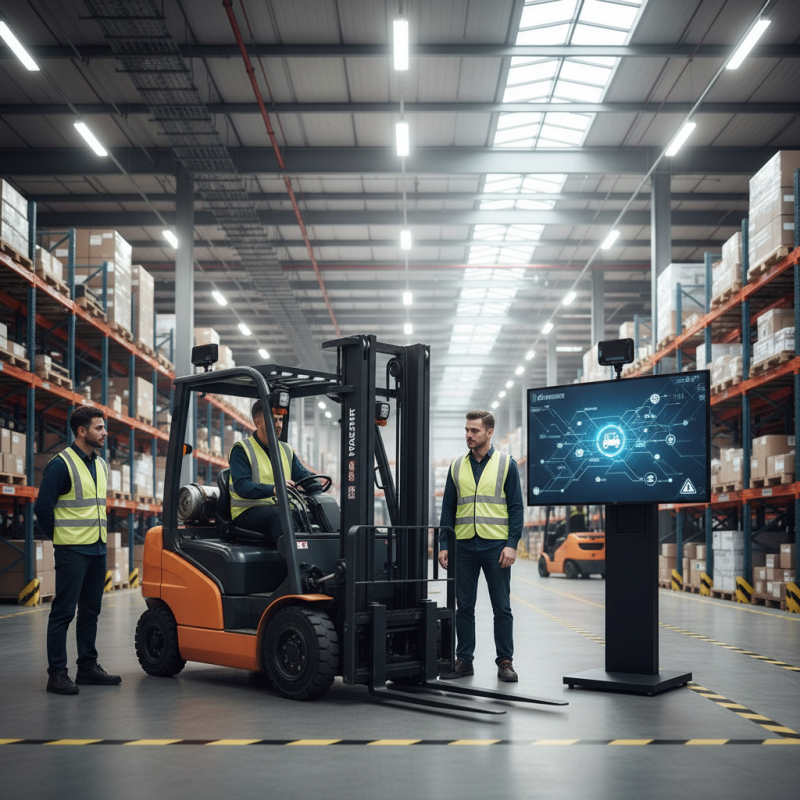
How to Choose the Best Forklift Collision Detection System?
In today's fast-paced warehouses, safety is paramount. A Forklift Collision Detection System plays a crucial role in preventing accidents. Forklifts are essential for moving goods, but they can be dangerous. An effective detection system can reduce risks and enhance safety for all.
When choosing a Forklift Collision Detection System, understanding technology is key. Many options exist, from basic alarms to advanced sensors. Each system has unique features and capabilities. Not all systems are equal, and selecting the right one can be challenging.
Consider the specific needs of your facility. Different environments require different solutions. A one-size-fits-all approach may lead to costly mistakes. Stay informed about the latest innovations. It's easy to overlook important factors in the selection process. Make sure to involve your team in discussions on safety technology. Their insights can highlight overlooked aspects.
Understanding Forklift Collision Detection Systems: An Overview
Forklift collision detection systems are vital in today’s busy warehouses. These systems use advanced technology to prevent accidents. A study by the National Institute for Occupational Safety and Health indicates that nearly 20,000 injuries are caused by forklifts each year. Efficiency in warehouse operations can be improved with effective safety measures.
Understanding the different types of detection systems is key. Some use cameras and sensors to monitor surroundings. Others employ radar technology. Each has its pros and cons in recognizing obstacles. A report from the Occupational Safety and Health Administration highlights that implementing a reliable detection system can reduce accidents by up to 30%. Still, not every facility utilizes these systems effectively. Many organizations overlook the importance of regular maintenance and updates.
Training employees is crucial as well. A skilled operator is better equipped to use these systems. A survey revealed that 60% of accidents occur due to operator error. Investing in robust training and reliable detection technology is not just wise; it’s essential for workplace safety. Challenges remain, and there's always room for improvement.
Key Features to Look for in Collision Detection Technology
When selecting a forklift collision detection system, certain key features must be considered. An effective system should incorporate advanced sensor technology. Sensors like LiDAR and ultrasonics provide precise detection of nearby obstacles. According to a report from the National Institute for Occupational Safety and Health, nearly 100,000 workplace injuries in the U.S. involve forklifts, highlighting the demand for robust safety measures.
Another critical feature is real-time monitoring and alerts. Systems that utilize GPS can track forklift movements and trigger alarms when collisions are imminent. A study by the Occupational Safety and Health Administration notes that real-time alerts can reduce forklift accidents by 25%. Furthermore, user-friendly interfaces make it easier for operators to respond quickly. However, technology alone is not infallible. Operators must undergo comprehensive training to fully utilize these systems.
Integration with existing warehouse management systems is also essential. This facilitates data sharing and ensures that safety protocols are maintained throughout operations. Inconsistencies in integration can lead to overlooked hazards. A study indicates that inconsistent data management can result in a 40% increase in accidents. Thus, while choosing a system, consider its compatibility with your current operations to avoid potential pitfalls.
Assessing the Types of Collision Detection Systems Available
When assessing collision detection systems for forklifts, it’s crucial to understand the variety of options available. The primary types include laser-based systems, ultrasonic sensors, and camera-based solutions. Laser systems are known for their accuracy. They create a detailed map of the surroundings and detect obstacles effectively. However, they can be expensive and require careful calibration. Ultrasonic sensors, on the other hand, are more affordable. They detect obstacles using sound waves but might struggle in noisy environments.
Camera-based solutions, which often utilize computer vision, come with their own pros and cons. They can provide visual data and integrate with other systems. However, these systems require good lighting conditions and can be less reliable in certain scenarios. It's important to consider the working environment. For instance, busy warehouses may benefit from a laser system, while smaller operations might find ultrasonic sensors sufficient.
Understanding these types can help in making the right choice. There’s no one-size-fits-all solution. Each system has unique strengths and weaknesses. Reflecting on the specific needs of the operation is vital. Engage with experts in the field to gain insights. Gather feedback from operators. This approach will ensure that the chosen system effectively enhances safety and productivity.
How to Choose the Best Forklift Collision Detection System?
| Detection Method | Technology Type | Range of Detection | Accuracy | Cost Estimate |
| Proximity Sensors | Ultrasonic | Up to 3 meters | High | $500 - $1,200 |
| Camera Systems | Visual Processing | 360 degrees | Very High | $2,000 - $5,000 |
| Infrared Sensors | Infrared | Up to 2 meters | Moderate | $700 - $1,500 |
| LiDAR Systems | Laser Technology | Up to 5 meters | Very High | $3,000 - $10,000 |
| RFID Systems | RFID Tags | Variable | Moderate | $1,000 - $3,000 |
Evaluating System Compatibility with Existing Equipment
When selecting a forklift collision detection system, compatibility with existing equipment is vital. According to industry reports, about 48% of accidents occur due to equipment malfunctions or lack of appropriate safety systems. Ensuring that your new system can integrate seamlessly with your current fleet can significantly reduce these risks.
Before making a choice, assess the specifications of your forklifts. Look for systems that work across multiple brands and models. In recent studies, companies that invested in compatible collision systems reported a 30% reduction in workplace accidents. This data highlights the importance of understanding your operational environment and the equipment's capabilities.
Tips: Always consult your technical team early in the selection process. They can provide insights into the specific requirements for the new system. Analyze the existing hardware interfaces as well. Sometimes, older models may require additional modifications to fully benefit from new technology. To be effective, training for staff on the new system is essential. Bridging the gap between technology and user understanding can be a stumbling block.
Budget Considerations for Investing in Collision Detection Solutions
When contemplating the investment in a collision detection system for forklifts, budget considerations arise as key factors. Assessing initial costs is critical. A high-quality system often requires a higher investment, but this may lead to better long-term benefits. Consider the potential savings from preventing accidents. Investing in a robust system can minimize repair costs and reduce liability.
Maintenance expenses should not be overlooked. Cheaper systems might lead to frequent repairs. It’s essential to estimate these ongoing costs accurately. Calculate the total cost of ownership over several years. Additionally, training for employees is another factor. Quality systems may require more in-depth training, which can impact the budget. Evaluate your workforce’s readiness to adapt.
Reflecting on your organization’s specific needs is vital. A more expensive solution may not be necessary for a small operation. Conversely, a larger warehouse may require advanced features. Balancing the budget against the need for safety measures can be challenging. An in-depth needs assessment can guide you toward a fitting choice.
Forklift Collision Detection System Budget Considerations
This chart illustrates the estimated costs associated with different types of forklift collision detection systems. The basic system is the most affordable, while the premium system offers the highest level of features and pricing.