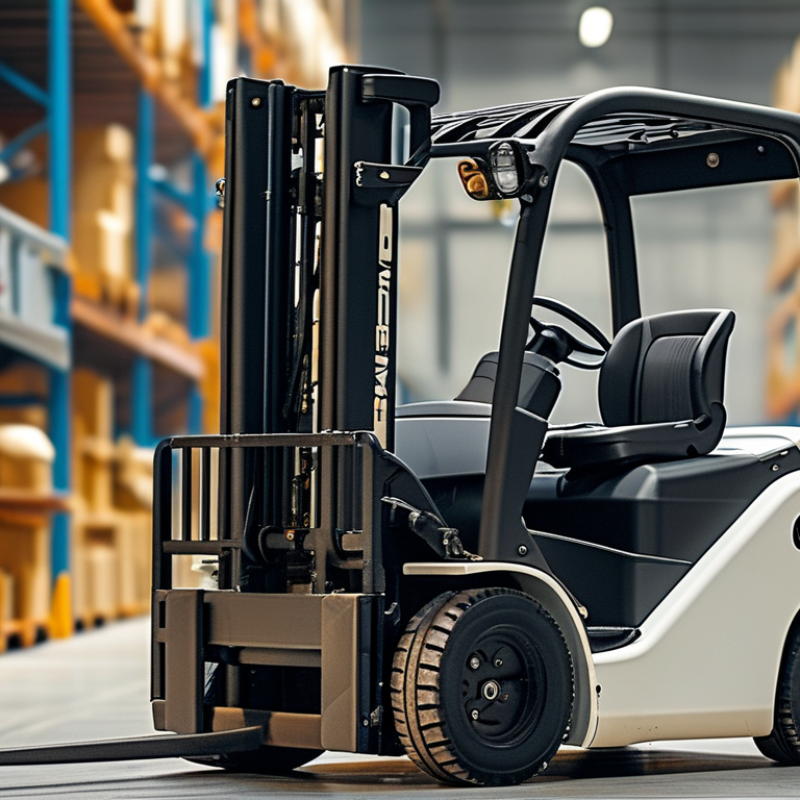
How to Choose the Best Robotic Forklift for Your Business?
Choosing the right Robotic Forklift can significantly impact your business's efficiency. These machines are designed to streamline warehouse operations. However, selecting the best option requires careful consideration.
Robotic forklifts come in different shapes and sizes. Each design serves unique purposes. Businesses must evaluate their specific needs before making a decision. Factors like load capacity, operational environment, and budget should be analyzed closely. It’s essential to compare various models and their specifications to ensure suitability.
You may find the process overwhelming. Several brands claim to offer the best products. Without proper knowledge, it’s easy to make mistakes. Focusing on your operational goals and future growth is vital. This proactive approach helps to identify a robotic forklift that aligns with your business vision.
Understanding the Different Types of Robotic Forklifts Available
When selecting a robotic forklift, it’s essential to understand the various types available. They can be classified into three main categories: automated guided vehicles (AGVs), autonomous mobile robots (AMRs), and hybrid models. AGVs rely on predefined paths and have limited flexibility. They are excellent for repetitive tasks in structured environments.
AMRs are more advanced, utilizing sensors and mapping technology to navigate dynamically. They adapt to changing layouts, making them suitable for busy warehouses.
Hybrid models combine the best features of AGVs and AMRs. These forklifts can follow set paths while also adapting to unforeseen obstacles. This versatility can significantly improve efficiency in unpredictable settings. Businesses must consider their specific needs, including space constraints and load requirements. It can be challenging to identify the right type.
Additionally, integrating a robotic forklift into your operations may require employee training. Staff members may need to adjust to new workflows. Ignoring this step could lead to disruptions. Evaluating available options based on real-world applications will enhance decision-making. Understanding the advantages and limitations of each type will help businesses invest wisely while addressing potential operational challenges.
Evaluating Your Business Needs and Workflow Requirements
Evaluating your business needs before purchasing a robotic forklift is crucial. Start by assessing your current workflow. Look at the volumes of goods you handle daily. Consider the layout of your warehouse. A forklift that works in one environment may not suit another. Measure isles and storage heights. These factors heavily influence the type of forklift you need.
Next, identify specific tasks robotic forklifts will perform. Will they be used for loading, unloading, or transporting? This will help you select the right model. Evaluate the speed and precision required for your operations. If you have a high turnover rate, speed is essential. On the other hand, accuracy might be more critical for sensitive items.
Moreover, reflect on integration with existing systems. How will the robotic forklift communicate with current software? Consider the learning curve for your team. Training could impact productivity temporarily. A balance between advanced technology and user-friendliness is vital. Proper evaluation can lead to significant long-term benefits for your business.
Key Features to Look for in a Robotic Forklift
When selecting a robotic forklift, several key features should be examined closely. First, consider the load capacity. A forklift needs to handle the weight of your typical loads without strain. Overloading can lead to malfunctions. While a higher capacity may be tempting, it’s crucial to match it with your daily needs.
Next, evaluate the navigation technology. A robotic forklift should have advanced sensors for obstacle detection. This ensures safe navigation through narrow aisles. Some models might rely on laser guidance, while others use cameras. Assess which navigation system fits your warehouse layout best.
Battery life is another vital feature. A forklift that runs out of power mid-shift can cause significant delays. Look for models with fast-charging capabilities. Consider how long it takes to recharge and whether it can operate on a schedule that avoids peak hours. Balancing performance with reliability can be challenging, but it is essential for operational efficiency.
Comparing Costs and ROI for Robotic Forklift Investments
When considering robotic forklifts, analyzing costs and potential ROI is crucial. Initial investments can be significant, but the long-term benefits often outweigh these costs. Operational efficiency often improves with these machines. Automated forklifts reduce labor costs, minimize human error, and increase throughput.
Engaging with a detailed cost-benefit analysis helps businesses understand their specific context. Consider factors like maintenance expenses, energy consumption, and training costs. Include potential increases in productivity, which can lead to higher revenue. Monitor your operational metrics to gauge effectiveness.
It's essential to assess not just the upfront costs but also the longevity and reliability of the equipment. Failure rates can lead to unexpected expenses. Evaluate your expected ROI period. Understanding these elements ensures a more informed decision for business growth.
Researching and Reviewing Manufacturers and Models
When choosing a robotic forklift, research is essential. Understanding different manufacturers is the first step. Look for companies with a proven track record in automation. Find reviews that highlight both strengths and weaknesses. This gives you a clearer perspective on brand reliability. A manufacturer’s reputation can significantly influence your purchase decision.
Evaluating various models is equally important. Consider the specific needs of your warehouse. Some models excel in tight spaces, while others handle heavier loads. Examine specifications closely. Check battery life, speed, and safety features. Don't forget to read user experiences. They often reveal practical insights that specifications may overlook. It's wise to seek feedback on long-term performance, as initial impressions can differ.
Lastly, think about future scalability. Your business may grow, and the chosen forklift should adapt accordingly. Planning ahead helps avoid costly replacements later. Conducting thorough research may take time, but identifying potential pitfalls will save headaches down the line. Be ready to revisit your findings as new models become available. A well-informed decision leads to better efficiency for your operations.