How to Choose the Right Frequency Converter for Your Needs?
Choosing the right Frequency Converter is crucial for efficient power management. According to James Carter, a leading expert in power electronics, “A well-selected frequency converter can enhance system performance drastically.” His words highlight the importance of careful selection in this industry.
When deciding on a frequency converter, factors like load requirements and application type must be evaluated. Not all converters serve the same purpose. For example, a converter suitable for a fan may not work well for a pump. Understanding the specific needs of your machinery can guide you toward the appropriate choice.
Additionally, reliability is paramount. Investing in a quality frequency converter can save costs on repairs and downtime in the long run. However, it's easy to overlook subtler details, like harmonics and efficiency ratings. Choosing the wrong model can lead to issues that hinder performance. Emphasizing the right specifications can make all the difference in optimizing your system's functionality.
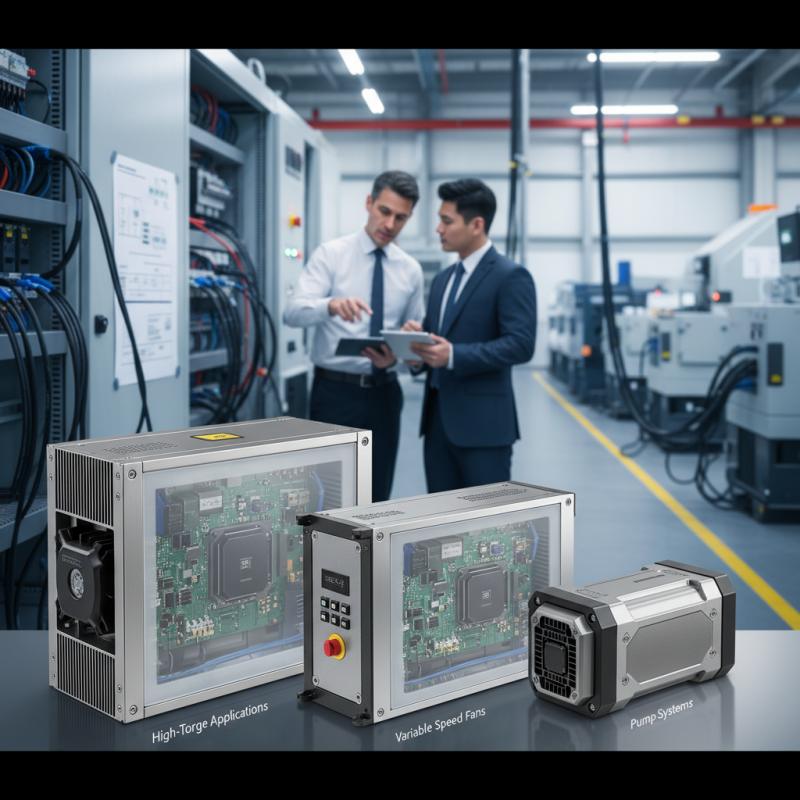
Understanding Frequency Converters and Their Applications
Frequency converters play a crucial role in a variety of industrial applications. They adjust the frequency and voltage supplied to electric motors, enabling precise control over speed and torque. This technology is integral in sectors such as manufacturing, transportation, and renewable energy. According to a recent study by ResearchAndMarkets, the global frequency converter market is projected to grow from $7.4 billion in 2023 to $10.9 billion by 2028, reflecting an annual growth rate of around 8%.
Understanding the different types of frequency converters is essential. They can be classified into two main categories: voltage source inverters (VSI) and current source inverters (CSI). The choice of converter affects performance and efficiency. VSI converters are typically more common in industrial settings due to their ability to manage varying load conditions effectively. CSI converters, while less frequent, offer significant benefits for specific applications, such as high-power synchronous motors. Analysis from industry leaders highlights that a mismatched frequency converter can lead to significant energy losses and equipment damage over time.
Real-world applications of frequency converters extend to HVAC systems and renewable resources. For HVAC, the converter regulates motor speeds to enhance energy savings and maintain comfort. In solar energy systems, converters optimize power output, allowing for better integration with the grid. Stakeholders must ensure they choose the right converter for their needs to avoid operational challenges and inefficiencies. The consequences of improper selection can be substantial, impacting both cost and performance.
Identifying Your Power Requirements and Load Types
When choosing a frequency converter, understanding your power requirements and load types is crucial. Each application has unique demands. Do you need high torque? Is your load variable or constant? Identifying these can greatly influence your choice.
Power requirements will hinge on your specific equipment. Measure the total wattage your devices need. For instance, a motor's starting requirements may spike higher than its running needs. This could mean you need a converter with a higher capacity. Load types, whether resistive, inductive, or capacitive, also play a role. Each type interacts differently with frequency converters.
Tip: Consider the environment where the converter will operate. High temperatures or dust can affect performance. Think about protection ratings. For example, IP ratings indicate how well the device can handle dust and moisture.
Understanding these factors fosters better decision-making. This can prevent operational hiccups and ensure efficiency. However, not every choice can be perfect. You might choose a converter that meets your needs today, but may not suit future demands. Continuous assessment is key.
Power Requirements and Load Types for Frequency Converters
Evaluating Input and Output Voltage Needs
When selecting a frequency converter, understanding input and output voltage is essential. Voltage compatibility greatly impacts performance. According to industry reports, nearly 30% of equipment failures stem from mismatched voltage levels. This can lead to costly downtime and equipment damage. Therefore, assessing both the input voltage of the electrical supply and the output voltage required by the machinery is vital.
Different applications may require different voltage levels. For instance, industrial applications typically use 380-480 V, while residential equipment might require 120-240 V. A mismatch can create inefficiencies, leading to up to a 20% reduction in performance. Also, non-compliance with voltage requirements could void warranties or lead to regulatory issues. It’s a crucial aspect that shouldn’t be overlooked.
Careful analysis of voltage needs can prevent operational risks. While standard voltage options exist, unique setups may need custom solutions. Take the time to double-check specifications and avoid common mistakes. A well-informed decision about voltage can significantly enhance reliability and extend the equipment's lifecycle.
Assessing Frequency Range and Conversion Efficiency
Choosing the right frequency converter hinges on understanding the frequency range and conversion efficiency required for your applications. Knowing the specific frequency range helps you avoid converters that may underperform or overload. Consider the operational frequency of your equipment. If the converter cannot match this frequency, you may experience diminished performance and increased wear.
Conversion efficiency is another key consideration. A higher efficiency rating means less energy is wasted during the conversion process. This can lead to lower operational costs and extended equipment life. However, many converters claim high efficiency, so scrutinizing specifications is crucial. In practice, real-world performance often varies from what manufacturers advertise.
Balancing these factors can be tricky. Some converters may outperform their specs in real-world conditions while others fall short. Testing under similar loads can provide valuable insights. It's essential to seek advice from industry experts and compare user experiences to make an informed choice. Engaging with professionals can also help identify potential pitfalls and refine your selection criteria.
Considering Additional Features and Compatibility Options
When selecting a frequency converter, it’s vital to consider additional features that can enhance performance. Look for units equipped with advanced control modes. These can include slip control, torque control, or even vector control features. These options can greatly increase efficiency, particularly in sensitive applications.
Compatibility should also be a primary focus. Assess the converter's compatibility with existing systems and technologies. Many converters must integrate seamlessly with different motor types and operational protocols. Sometimes, manufacturers provide compatibility tables. However, these may not cover all scenarios.
Understanding the specific environment in which the converter will be used is crucial. For example, if the equipment operates in high humidity or extreme temperatures, ensure the converter is rated for such conditions. Water-resistant or dustproof features can be essential, but they may add to costs. Weigh these factors against your operational budget and technical needs. Additionally, documentation and support from suppliers can vary. Ensuring reliable assistance may require communication with multiple sources.

