What is Coated Steel Sheet and How is it Used?
coated steel sheet is a vital material in various industries. It combines strength with enhanced corrosion resistance. According to market research, the global coated steel sheet market was valued at over $100 billion in 2021 and is projected to grow at a CAGR of around 5% through 2028. This growth reflects increasing demand in construction, automotive, and appliances.
The coated steel sheet is commonly used in roofing, siding, and home appliances. Its protective coating helps to extend the lifespan of products. In addition, it improves aesthetics, making it attractive for consumer goods. However, the coating process can sometimes lead to inconsistencies in product quality. Manufacturers must pay close attention to the application methods to ensure reliability.
Industry experts emphasize the importance of innovation in coated steel technology. Continuous improvements can enhance the performance and sustainability of these materials. As the market evolves, companies must adapt to new standards and consumer preferences. Quality assurance remains a key challenge in maintaining high production standards.
What is Coated Steel Sheet?
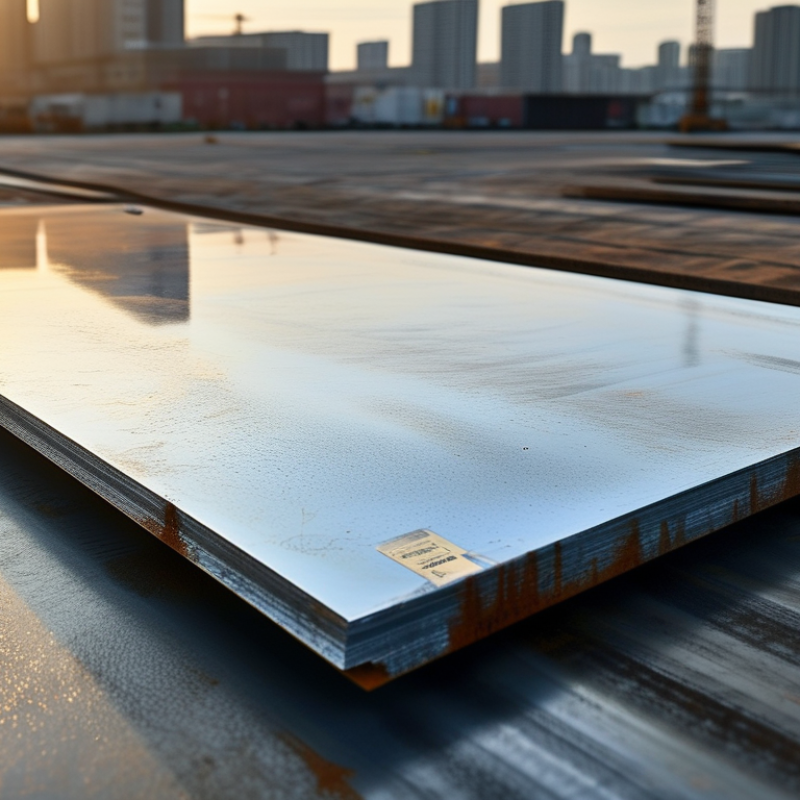
Coated steel sheets are a vital component in modern manufacturing. They are produced by applying a protective layer of material, such as zinc or polymer, over the surface of steel sheets. This coating enhances durability and resistance to rust and corrosion. According to industry reports, coated steel sheets account for approximately 30% of the global steel market, highlighting their significance.
The application of coated steel sheets spans various sectors. In construction, they serve as essential materials for roofing and wall cladding. These sheets offer both aesthetic appeal and functional benefits. Their lightweight nature simplifies transportation and installation. However, the environmental impact of coatings, particularly in production processes, raises concerns. The quest for sustainable materials continues, with emerging solutions focusing on eco-friendly alternatives.
Despite the advantages, challenges persist in the use of coated steel sheets. Issues related to adhesion of the coating and long-term performance require ongoing research. Manufacturing inconsistencies can lead to variations in quality. Consequently, companies need rigorous testing protocols to ensure reliability. Striking a balance between cost and sustainability remains an ongoing challenge for the industry.
Coated Steel Sheet Use in Different Industries
Types of Coatings Used on Steel Sheets
Coated steel sheets are widely utilized in construction, automotive, and appliance manufacturing. These sheets are enhanced with various coatings to improve durability and resistance to corrosion. The choice of coating plays a critical role in their application.
There are several types of coatings used on steel sheets. Galvanization is one of the most common methods. It involves applying a layer of zinc to protect against rust. According to a report by the American Galvanizers Association, galvanized steel can have a lifespan exceeding 50 years in harsh environments. Another popular option is the use of organic coatings, such as polyester or PVC. These coatings provide a decorative finish while also enhancing corrosion resistance.
Additionally, there are specialized coatings, such as PVD (Physical Vapor Deposition) and HDG (Hot-Dip Galvanizing). These can be more expensive but offer superior performance. Cost-effectiveness can be a concern, as choosing the right coating based on the intended use is essential. Over time, improper selection can lead to premature failure, prompting the need for re-evaluation of coating options. Overall, the effective use of coated steel sheets can significantly enhance the longevity and performance of steel products across various industries.
Manufacturing Process of Coated Steel Sheets
The manufacturing process of coated steel sheets involves multiple steps that enhance their durability and appearance. Initially, standard steel sheets are cleaned through a series of chemical baths. This process removes oil, dirt, and rust, creating a pristine surface for coating. The cleanliness of the surface is crucial, as any contaminants can jeopardize adhesion and lead to defects.
Once cleaned, the sheets undergo a coating process. Two primary methods are widely used: hot-dip galvanizing and electro-galvanizing. In hot-dip galvanizing, sheets are submerged in molten zinc. This provides a thick coating that offers excellent corrosion resistance. Electro-galvanizing, on the other hand, uses an electrical current to deposit a thinner layer of zinc onto the sheets. Both methods have their advantages and potential drawbacks. Hot-dip galvanizing is robust but may lead to a rough finish, while electro-galvanizing provides a smoother surface but offers less corrosion protection.
After coating, the sheets go through curing. This step involves heating to bond the coating with the steel. It is an essential part of the process, but it can also introduce variability in the final product. Temperature control is critical; improper temperatures can impact coating performance. The end result should be a strong, reliable coated steel sheet ready for various applications. However, manufacturing inconsistencies can occur, leading to questions about quality and durability.
Applications of Coated Steel Sheets in Various Industries
Coated steel sheets are widely used across various industries due to their durability and resistance to corrosion. In the automotive sector, these sheets provide strength while maintaining lightweight properties. Manufacturers choose coated steel for parts like body panels and roofs. The protective layer extends the lifespan of vehicles, leading to improved safety and performance.
The construction industry heavily relies on coated steel sheets for roofing and siding. They offer a long-lasting solution against harsh weather conditions. Additionally, these sheets can be easily modified to fit different architectural styles. There is, however, a challenge in sourcing high-quality materials consistently. Industries sometimes face delays or inconsistencies in thickness and finish, which can affect final products.
Coated steel sheets also find their way into appliances like refrigerators and washing machines. Their aesthetic appeal and ability to be easily cleaned make them a popular choice. Yet, the market for coated steel can be volatile, impacted by fluctuating raw material costs. Manufacturers must stay informed and adapt quickly to maintain competitiveness in this ever-evolving landscape.
Advantages and Disadvantages of Using Coated Steel Sheets
Coated steel sheets offer both benefits and drawbacks in various applications. One significant advantage is their enhanced corrosion resistance. The protective coating prevents rust, which is crucial for longevity. Many industries utilize coated sheets for this reason. Additionally, these sheets come in various finishes, allowing for aesthetic appeal in architectural designs.
However, there are some downsides to consider. The coating process can add weight and cost to the material. Sometimes, the coating may chip or scratch, exposing the steel underneath. This can lead to rust if not addressed promptly. Furthermore, the manufacturing processes can vary significantly, impacting the consistency and quality of the coated sheets.
It's essential to evaluate these factors thoroughly. While coated steel sheets can provide durability and a pleasing appearance, they may not be suitable for all projects. Consider the specific requirements of your application carefully. Balancing the advantages against the potential shortcomings can lead to more informed decisions in material selection.

