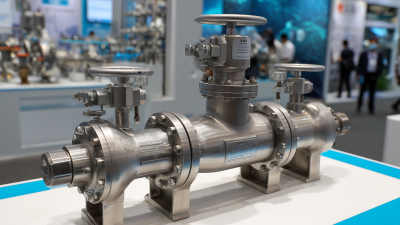
What is a Hydraulic Power Unit and How Does It Work?
Hydraulic power units (HPUs) are vital in various industrial applications. These units convert mechanical energy into hydraulic energy, powering equipment like cranes and presses. According to the Hydraulic Institute, the global hydraulic equipment market is projected to reach $53 billion by 2025, reflecting strong demand for efficient power solutions.
John Smith, a recognized expert in hydraulic systems, states, "Understanding hydraulic power units is essential for optimizing industrial operations." His insights highlight the HPU's importance in maximizing productivity. HPUs are built for reliability, but improper maintenance can lead to failures.
The complexity of hydraulic systems can overwhelm novices. Adequate training is crucial for technicians. As the industry evolves, so does the technology behind HPUs. Ensuring workers are informed about advancements is necessary for maintaining a competitive edge. Investing in knowledge and skills contributes to smoother operations and reduced downtime.
Understanding Hydraulic Power Units: Definition and Purpose
A hydraulic power unit (HPU) is essential in many industrial applications. Its primary role is to convert
mechanical energy into hydraulic energy.
This energy powers various hydraulic systems, allowing for effective operation in construction, manufacturing,
and more. Understanding the components of an HPU is crucial. It typically consists of a hydraulic pump,
a reservoir, and a control system. Each part plays a vital role in ensuring the system's efficiency.
The design of hydraulic power units varies based on their intended use. Some units might be compact for tight spaces,
while others are large for heavy-duty tasks. A reliable HPU maintains consistent pressure and flow, enhancing productivity.
However, its operation isn't without challenges. Potential issues include leaks
or contamination that can affect performance. Regular maintenance
is essential for long-term reliability.
Many still underestimate the importance of the hydraulic power unit. An HPU can fail if not properly set up or monitored.
It needs attention, and operators require training to understand the complexities involved. Awareness of common failures can prevent costly downtimes in production.
Thus, investing in knowledge about HPUs increases operational success and efficiency.
Key Components of Hydraulic Power Units: A Closer Look
Hydraulic Power Units (HPUs) are essential in many industrial applications. Understanding their key components can help you appreciate their functionality. At the heart of an HPU is the hydraulic pump. This device converts mechanical energy into hydraulic energy. It pressurizes the hydraulic fluid, enabling it to flow through the system. The type of pump used affects the unit's efficiency and performance.
Another critical component is the reservoir. This tank stores hydraulic fluid and facilitates easy access for maintenance. A well-maintained reservoir ensures that the system runs smoothly and reduces the risk of contamination. Filtration systems are also vital in HPUs. They remove impurities from the hydraulic fluid, keeping it clean and prolonging the unit's lifespan.
Moreover, valves play a crucial role in controlling fluid flow and pressure. Different valves allow precise control and help in system adjustments. Without proper valve selection, performance issues can arise. Regular checks on these components will help prevent unexpected failures. While HPUs are generally reliable, neglecting their care can lead to inefficiencies and costly repairs.
What is a Hydraulic Power Unit and How Does It Work? - Key Components of Hydraulic Power Units: A Closer Look
| Component |
Description |
Function |
Typical Materials |
| Hydraulic Pump |
Converts mechanical energy into hydraulic energy. |
Generates hydraulic pressure for the system. |
Cast iron, aluminum. |
| Reservoir |
Storage for hydraulic fluid. |
Holds excess hydraulic fluid and allows for fluid expansion. |
Steel, plastic. |
| Hydraulic Cylinder |
Converts hydraulic energy into linear motion. |
Drives actuators and other hydraulic components. |
Steel, aluminum. |
| Hydraulic Fluid |
The medium used to transfer power in the system. |
Transmits force and lubricates components. |
Mineral oil, water-based fluids. |
| Pressure Relief Valve |
Prevents excessive pressure buildup in the system. |
Protects hydraulic components from damage. |
Steel, brass. |
How Hydraulic Power Units Generate and Control Power
Hydraulic Power Units (HPUs) play a critical role in various industries. They generate power by converting mechanical energy into hydraulic energy. This is achieved by using a pump to pressurize hydraulic fluid. According to a report by the International Hydraulics Institute, over 80% of machinery relies on hydraulic systems for operation.
Control is equally vital in HPUs. A hydraulic system typically includes valves to manage fluid flow. These valves can precisely regulate speed and force. A study published in the Journal of Hydraulic Engineering indicates that effective power control increases efficiency by up to 30%. However, mismanagement or improper calibration can lead to performance issues. Fluid leaks, for instance, can significantly reduce power output and create safety hazards.
Many industries depend on HPUs, from construction to manufacturing. Understanding how they generate and control power can lead to better maintenance and efficiency. Regular training and updates in hydraulic technology can help operators avoid common pitfalls. Investing in quality components that meet industry standards improves reliability, but it's essential to stay vigilant.
Hydraulic Power Units - Performance Metrics
The Working Principles of Hydraulic Power Units Explained
Hydraulic power units (HPUs) are essential in various industrial applications, delivering reliable power through hydraulic systems. Understanding their working principles is crucial for efficient operation. The core of an HPU is its pump, which converts mechanical energy into hydraulic energy. When the pump operates, it draws hydraulic fluid from a reservoir, generating flow and pressure. This pressurized fluid then powers hydraulic actuators, which perform work in machinery and equipment.
One important aspect of HPUs is their ability to manage thermal conditions. According to a study by the International Fluid Power Society, maintaining proper fluid temperature is vital for system longevity. Excessive heat can degrade hydraulic fluid, reducing efficiency and leading to equipment failure.
Tips: Regularly check fluid levels and replace filters to avoid contamination. Ensure the cooling system is functioning to prevent overheating. Preventive maintenance can enhance performance and prolong service life.
Understanding pressure and flow rate is equally important. Hydraulic systems rely on specific pressure ratings for safe operation. A report from the National Fluid Power Association indicates that approximately 70% of hydraulic failures occur due to improper pressure settings. Adjusting these parameters requires careful attention. Regular training on hydraulic system maintenance can mitigate risks and improve safety. Make learning a continuous process, as technology and techniques evolve.
Applications of Hydraulic Power Units in Various Industries
Hydraulic Power Units (HPUs) are essential in various industries, powering equipment with high efficiency.
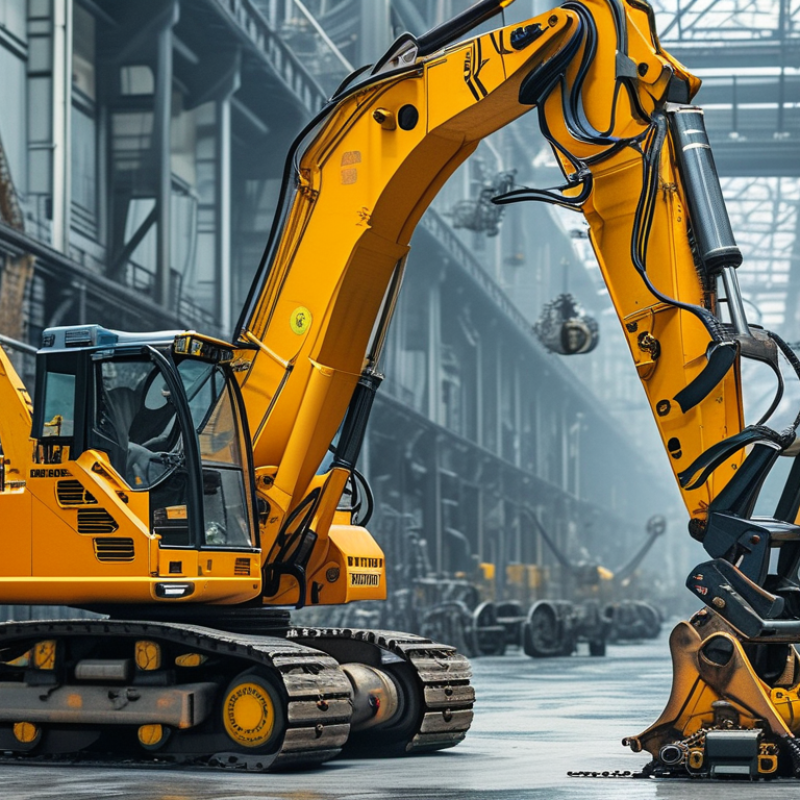
In the construction sector, HPUs drive hydraulic machinery like excavators and cranes.
According to a report by Market Research Future, the global hydraulic equipment market is expected to reach $73 billion by 2024, indicating a growing demand for these units.
In the manufacturing industry, HPUs offer precision in automation. They are used in presses, conveyor systems, and robotics.
A study from Technavio highlights that the increase in automation in manufacturing leads to more investments in hydraulic systems.
These units enhance production speed and accuracy, yet they require regular maintenance.
Poor maintenance can lead to unexpected downtimes, affecting overall productivity.
The aerospace industry also benefits from HPUs. They power landing gear systems and wing flaps in aircraft.
The global aerospace hydraulic systems market is projected to grow at a CAGR of 4.3% from 2021 to 2026, as per a recent analysis.
However, the industry must be cautious. The integration of new technologies often leads to complexity.
Ensuring reliability while adopting innovations is crucial for safety and efficiency.