What is a Spring Loaded Plunger Latch and How Does it Work?
In the world of mechanical fastening, the "Spring-Loaded Plunger Latch" stands out for its simplicity and efficiency. Renowned expert in fastening technologies, Dr. James Thompson, states, "The perfect latch combines reliability with ease of use." Understanding this device is crucial for manufacturers looking for secure and accessible locking solutions.
A Spring-Loaded Plunger Latch operates through a unique mechanism. It uses spring tension to engage and disengage, ensuring quick access while maintaining security. This functionality is particularly beneficial in industries requiring rapid operations. Yet, despite its effectiveness, many overlook the importance of proper installation.
Each spring-loaded plunger latch varies slightly, which can lead to installation challenges. Misalignment or improper spring tension can result in malfunctions. Therefore, attention to detail during setup is essential for optimal performance. While these latches are innovative, there are areas for improvement in design and durability. Recognizing these aspects fosters a deeper understanding of Spring-Loaded Plunger Latches and their potential limitations.
What is a Spring Loaded Plunger Latch?
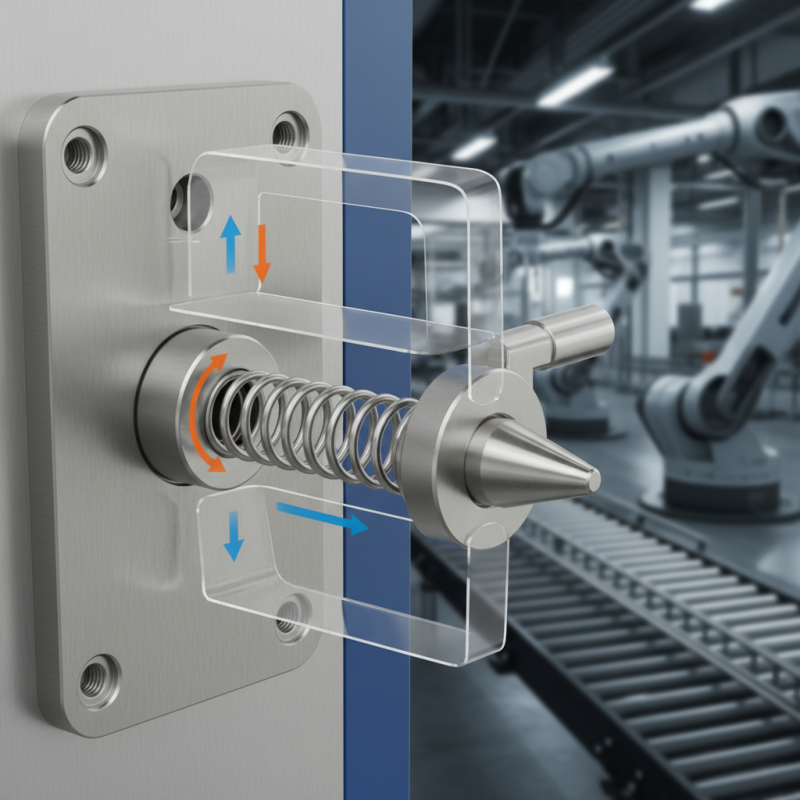
A spring-loaded plunger latch is a simple yet effective locking mechanism. It consists of a plunger that is spring-loaded, allowing it to retract and extend smoothly. When pressure is applied, the plunger compresses. Upon release, the spring pushes it back into position, securing surfaces together. This mechanism is widely used in various applications, such as cabinets, doors, and enclosures.
The design of a spring-loaded plunger latch is straightforward and reliable. Users often appreciate its ease of operation. When the plunger is pushed in, it allows for quick access to the secured space. This design exploits the mechanical tension of the spring, which plays a crucial role in the overall functionality.
Tips: Ensure the plunger is clean and free from debris. Regular maintenance can prolong its lifespan. If the latch is sticking, check for obstruction or wear that may affect its performance. A good latch should operate smoothly, and any issues could call for immediate attention. Remember, a well-functioning latch enhances security and convenience.
Spring Loaded Plunger Latch Mechanism Overview
Key Components and Design Features of Spring Loaded Plunger Latches
Spring loaded plunger latches are essential for various applications in securing doors, panels, and machinery. These latches employ a simple yet effective design that relies on a spring mechanism to compress and hold the plunger in place. When the latch is activated, the plunger is released, providing quick access to the targeted area. This mechanism is prevalent in industries such as automotive, aerospace, and electronics, where reliability is key.
Key components of spring loaded plunger latches include the body, spring, and plunger. The body is often made from durable materials like stainless steel or nylon, enhancing longevity. The spring provides the necessary force for retraction, while the plunger is designed to engage seamlessly with the locking mechanism. According to a market report, the global demand for mechanical latches is expected to increase by 5% by 2025. This growth is attributed to the rising need for secure closure systems in various sectors.
Design features can vary significantly. Some latches are equipped with adjustable compression settings, allowing for customization based on user needs. However, not all designs are foolproof. Issues like wear and tear from frequent use can compromise their effectiveness. Regular maintenance is necessary to ensure optimal performance. In circumstances where the latch is exposed to harsh environments, corrosion can become a concern, requiring material selection to be strategic.
Mechanism of Action: How Spring Loaded Plunger Latches Function
Spring loaded plunger latches are clever mechanisms widely used in various applications. They provide a simple yet effective way to secure doors, covers, and panels. These latches use a spring to maintain tension, allowing the plunger to engage an opening. When pressed, the plunger retracts, enabling easy access. Releasing the pressure allows the spring to push the plunger back into place, sealing the latch securely.
To understand their mechanics, visualize the spring as the driving force. It is precisely engineered to offer just the right amount of tension. This ensures a reliable latch while allowing for smooth operation. The plunger itself is often made of durable materials, designed to withstand repeated use. However, if the spring loses its tension, the latch may not engage properly. Regular inspection can prevent such issues.
Tips for maintenance: include cleaning the latch regularly to avoid debris buildup. Lubrication can also help in keeping the mechanism smooth. When installing, ensure that the plunger aligns perfectly with the latch hole. Misalignment may lead to premature wear. Always consider your specific application needs to choose the right mechanism for the job.
Applications in Various Industries: Where Are They Used?
Spring loaded plunger latches are commonly utilized in various industries due to their reliability and efficiency. These simple yet effective mechanisms provide secure closure in applications ranging from computer hardware to automotive parts. According to a report by MarketsandMarkets, the global latch market is projected to grow by 5.8% annually, indicating rising demand across multiple sectors.
In the automotive industry, spring loaded plunger latches are critical for securing panels and access doors. They ensure that components remain closed during operation, preventing potential hazards. The aerospace sector also employs these latches for securing access points and cargo doors, reflecting their importance in safety and operational integrity. Surprisingly, despite their widespread use, many manufacturers still overlook the need for periodic maintenance. Regular checks can prevent costly downtimes and improve overall safety standards.
The versatility of spring loaded plunger latches extends to consumer electronics. They are found in devices like laptops and printers. However, some products fail to incorporate these latches effectively. Implementing better designs could enhance user experience and mitigate frustration with malfunctioning closures. Industries must assess their practices to fully leverage the benefits of these reliable mechanisms for optimal performance.
What is a Spring Loaded Plunger Latch and How Does it Work? - Applications in Various Industries
| Industry | Application | Benefits | Common Materials |
| Automotive | Hood and trunk latches | Secure closing, vibration resistance | Steel, Plastic |
| Aerospace | Access panels and doors | Lightweight, robust locking mechanism | Aluminum, Titanium |
| Electronics | Device enclosures | Easy access, durable design | Plastic, Stainless Steel |
| Medical | Equipment casings | Reliability, hygiene | Plastic, Non-corrosive Metals |
| Furniture | Cabinet locks | Child safety, ease of use | Wood, Metal |
Advantages and Limitations of Spring Loaded Plunger Latches
Spring loaded plunger latches are popular in various applications, providing a reliable mechanism for securing panels, doors, and covers. They utilize a spring mechanism that allows the plunger to extend or retract easily, enabling quick access when needed. However, these latches come with both advantages and limitations.
One significant advantage is their ease of use. Data from industry reports show that approximately 70% of manufacturers favor spring loaded plunger latches for their user-friendly designs. They allow for quick engagement and disengagement, saving time in operations. Additionally, spring loaded plunger latches are compact and lightweight, which can be crucial in designs with space constraints. This makes them a favored option in aerospace applications, where reliability is key.
On the flip side, limitations exist. The spring mechanism can wear over time, leading to potential failures. Studies suggest that latch springs can lose tension after about 5000 cycles. This can result in inconsistent performance, raising safety concerns in critical applications. Additionally, these latches are often made from materials that may corrode in harsh environments. Regular maintenance is essential, but not always feasible in remote applications. Understanding these factors is vital for ensuring the effective use of spring loaded plunger latches.

