

Buying Motor Spare parts in bulk can lower unit costs and keep repair schedules moving. Yet a low quote may hide inconsistent specifications, aging inventory, or unclear warranty terms. One mismatched bearing can stop an entire assembly line. Details matter.
Before placing a large order, define the part numbers, dimensions, materials, and equipment models you need. Ask suppliers for product traceability, sample units, inspection records, and realistic delivery dates. Compare the total cost, not just the price per piece. Include shipping, storage, and possible import charges. Confirm that packaging protects parts from moisture and impact, especially during long-distance transport. Check minimum order quantities and whether future batches will match the first shipment. Keep written records. A verbal promise is easy to forget.
The right Motor Spare supplier should explain substitutions clearly and respond if parts arrive damaged or defective. Review warranty coverage, return procedures, and quality checks before committing. When practical, test a small batch under normal operating conditions before scaling up. This step may feel slow, but it can prevent costly downtime. Even careful buyers sometimes overlook shelf-life or storage limits; not every part can sit indefinitely. Build a checklist, involve maintenance staff, and allow for contingency stock. Bulk buying is not automatically economical. It works when parts fit, arrive on time, and remain usable until needed.
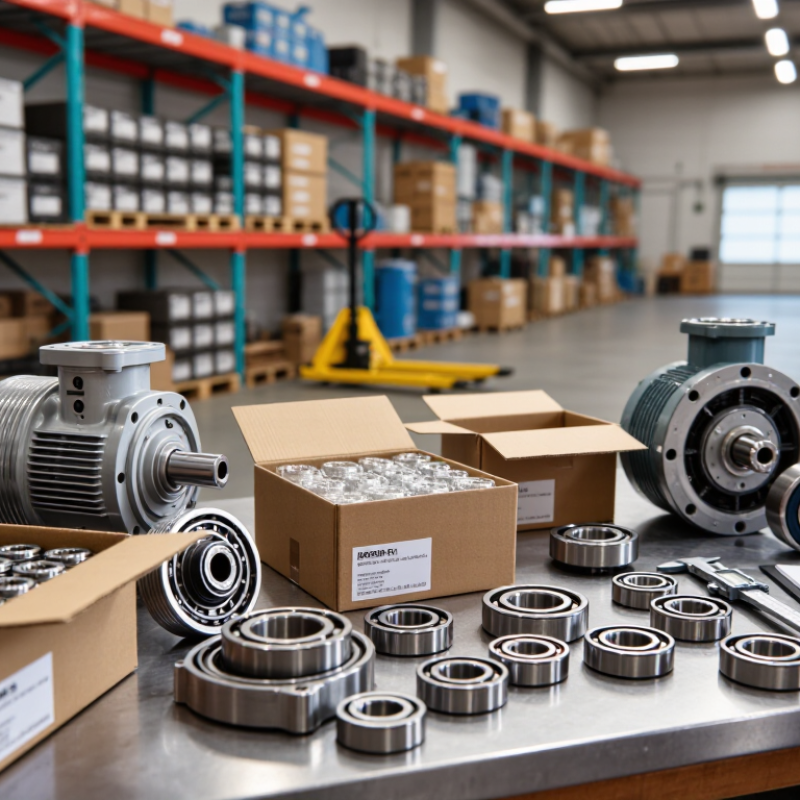
Before ordering in bulk, define the exact motor population you support: frame size, rated power, voltage, speed, mounting position, enclosure, and duty cycle. Record each unit’s nameplate details and match them against drawings or maintenance records. A bearing that fits the shaft may still have the wrong clearance or seal. Small details matter.
The International Energy Agency’s 2011 report, Energy-Efficiency Policy Opportunities for Electric Motor-Driven Systems, estimates that motor-driven systems use about 45% of global electricity. That scale makes reliability and compatibility important, but it does not justify buying every component in large quantities. Group parts by failure history, lead time, and downtime impact. Keep critical bearings, seals, fans, and terminal components available where a failure would stop production; avoid overstocking items used only on rare configurations. A clean spreadsheet can still contain old specifications. Check stock against recent work orders, and review substitutions with a qualified technician before purchase. A little uncertainty remains. That is a reason to verify, not to guess.
| Tip | Requirement to Understand | Practical Action | Example Details to Record |
|---|---|---|---|
| 1. Build an accurate motor inventory | Parts vary with motor type, frame, output, speed, and construction. | Record the nameplate and physical details for each motor before requesting a bulk quotation. | Motor type, rated power, voltage, frequency, speed, frame size, serial or asset number. |
| 2. Confirm electrical specifications | Electrical parts must match the motor’s design and supply conditions. | Check the nameplate, wiring diagram, and existing component markings; verify compatibility with the intended motor. | Rated voltage and current, phase, frequency, connection method, and insulation class where applicable. |
| 3. Measure mechanical interfaces | Shafts, housings, mounting feet, and end shields need correct dimensions and fits. | Use drawings or measured samples to verify dimensions, tolerances, and mounting arrangements. | Shaft diameter and keyway, bearing seat, bolt pattern, frame, and enclosure dimensions. |
| 4. Identify the exact bearing requirements | Bearing dimensions, clearance, seals, and load suitability affect fit and operating performance. | Read the bearing markings and consult the motor documentation when markings are missing or unclear. | Bearing designation, bore, outside diameter, width, clearance, and seal or shield arrangement. |
| 5. Match parts to the operating environment | Heat, moisture, dust, chemicals, vibration, and washdown can influence material and protection needs. | Document site conditions and verify enclosure, sealing, lubricant, and material suitability for the application. | Ambient temperature range, exposure to water or dust, installation area, and cleaning conditions. |
| 6. Use maintenance and consumption records | Bulk quantities should reflect actual usage, failure history, and planned maintenance. | Review stock issues, repair records, and planned shutdown work before setting order quantities. | Annual usage by part number, open work orders, known wear patterns, and scheduled maintenance dates. |
| 7. Set sensible stock levels | Too little stock can delay repairs; too much can tie up space and capital or leave parts unused. | Estimate demand during replenishment lead time and add a risk-based buffer for critical parts. | Average usage, supplier lead time, stock on hand, open orders, and criticality of the motor. |
| 8. Check interchangeability carefully | Similar-looking parts are not necessarily interchangeable across motor designs or revisions. | Request dimensional drawings and written compatibility confirmation before consolidating part numbers. | Part revision, dimensions, material, fit, electrical rating, and compatible motor configurations. |
| 9. Agree on quality and inspection criteria | A clear specification helps ensure that delivered parts meet the required fit and performance needs. | Define inspection checks and request relevant documentation for safety- or performance-critical items. | Dimensions, material requirements, test or conformity documents where applicable, and acceptance criteria. |
| 10. Plan delivery, storage, and traceability | Bulk orders need suitable packaging, storage conditions, and records to keep parts identifiable and usable. | Confirm shipment schedule, packaging, storage guidance, labeling, and batch or lot records before ordering. | Required delivery dates, storage environment, part-number labels, quantities per package, and traceability records. |
Note: Verify critical dimensions, electrical ratings, and compatibility against the motor documentation or a qualified technician before placing a bulk order.