Top 5 Tips for Choosing the Best 4 Inch Steel Channel?
Choosing the right materials is crucial for any construction project. One key component is the 4 Inch Steel Channel. It serves various structural and framing purposes. Knowing how to select the best one can save time and costs.
When looking at a 4 Inch Steel Channel, consider the steel grade. The quality of steel impacts durability and strength. Additionally, assess the channel's dimensions and weight. These factors will determine its effectiveness in your specific project.
While options may seem overwhelming, focusing on your project’s needs makes decisions clearer. Not every channel fits every task. It's important to reflect on how the chosen channel will perform over time. Ultimately, the right choice can lead to successful outcomes.
Understanding the Basics of 4 Inch Steel Channels
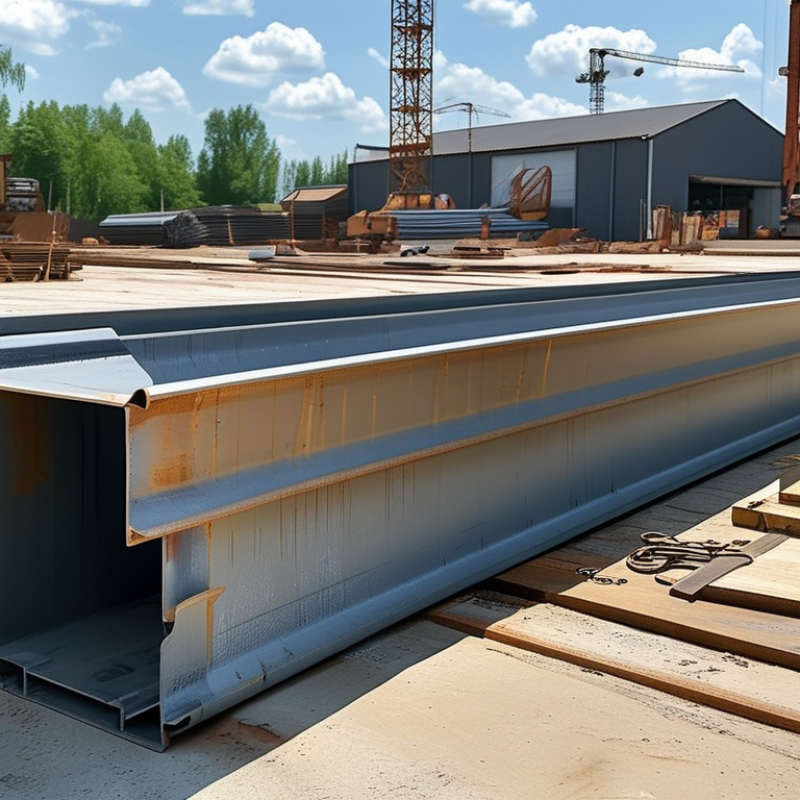
When selecting a 4 inch steel channel, understanding its fundamentals is crucial. A steel channel is a structural element used widely in construction. Its shape resembles the letter "C," which provides strength while being relatively lightweight. Steel channels are typically measured by their depth and flange width. Many professionals recommend considering the weight-bearing capacity and the specific application of the channel.
According to the American Iron and Steel Institute (AISI), using the right channel can enhance structural integrity. For instance, a standard 4 inch channel can support significant loads, making it ideal in construction frameworks. However, it's vital to assess the material grade. Steel channels come in various grades like ASTM A36 and ASTM A572, each offering different tensile strengths. This decision should be informed by load requirements and environmental factors.
A common oversight is neglecting the galvanization process. Without proper treatment, steel can corrode over time. In environments with high humidity or exposure to chemicals, the lifespan of unprotected steel channels may diminish drastically. Therefore, evaluating environmental conditions is necessary to ensure durability. Engaging with experts or referring to detailed specifications can provide clarity in this crucial decision-making process.
Evaluating Material Quality and Specifications
When selecting a 4-inch steel channel, understanding material quality is crucial. Steel channels come in various grades, influencing overall strength. Look for steel that meets or exceeds structural standards. Investigate the tensile strength and yield strength specifications. Higher values often ensure better performance and durability.
Evaluate the material's composition as well. Steel can have different alloying elements, impacting corrosion resistance and weldability. For specific applications, stainless steel might be preferable due to its resistance to rust. Conversely, other environments may allow for more standard carbon steel.
Both the surface finish and the manufacturing process affect the channel's reliability. Hot-rolled channels can have a rougher texture but may offer better structural integrity. Cold-rolled options provide a smoother finish and precise dimensions, yet the trade-off can be a slight reduction in strength. Keep these factors in mind to ensure you choose a channel that meets your project needs.
Assessing Load-Bearing Capacity and Strength Requirements
When selecting a 4-inch steel channel, understanding load-bearing capacity is crucial. This measurement determines how much weight your channel can support without failing. Different applications require different strength levels. For structural purposes, a higher load capacity is often necessary. Consult structural engineering guidelines to assess specific requirements for your project.
Strength requirements also hinge on factors like material grade and cross-sectional shape. Higher-grade steel channels boast increased durability and load resistance. The channel's shape affects its ability to distribute weight effectively. Sometimes, a seemingly ideal option may fall short under certain conditions. Always verify the specifications and consult professionals if needed. Reflect on your project's demands before making a final decision. Certain choices may appear cost-effective initially but could lead to issues down the line. Consider the long-term implications of your selection.
Comparing Cost and Supplier Options for Best Value
When selecting a 4-inch steel channel, cost is a significant factor. Prices can vary widely based on supplier and quality. It's essential to compare multiple options before making a decision. Bulk buying might also offer better deals. Look for suppliers that provide clear pricing without hidden fees.
Quality matters just as much as cost. Some suppliers prioritize low prices over durability. Always ask for material certifications. These documents confirm the channel's specifications. If a supplier hesitates to provide this information, it may raise red flags. Reliability in the supplier is crucial.
Reading reviews and seeking expert opinions can also guide your choice. Not every supplier is transparent about their practices. Sometimes cheaper options can lead to costly delays and repairs. Understand your project's needs well. This includes weight capacity and corrosion resistance. Balancing cost with quality is tricky but vital for the best value.
Top 5 Tips for Choosing the Best 4 Inch Steel Channel
| Tip | Description | Cost Consideration | Supplier Options |
| Assess Your Needs | Identify the required strength and length for your projects. | Determine budget based on project size. | Look for local suppliers to reduce shipping costs. |
| Material Quality | Check the grading of steel for durability. | Higher quality often means a higher price. | Research suppliers’ material certifications. |
| Compare Prices | Gather quotes from multiple suppliers. | Look at bulk pricing options for larger orders. | Consider both online and local suppliers. |
| Delivery Time | Ensure timely delivery to meet project deadlines. | Shipping costs can vary depending on delivery speed. | Inquire about stock levels and lead times. |
| Supplier Reputation | Research reviews and industry reputation. | Quality suppliers might have a higher price point. | Select suppliers with good customer service records. |
Considering Application-Specific Features and Customization Needs
When selecting a 4-inch steel channel, consider its application-specific features. Different projects demand various properties. For instance, construction applications may require high strength and durability. Manufacturing might focus more on precision and lightweight options. Be clear about your needs before making a choice.
Customization needs also play a crucial role. Some projects may need specific dimensions or arrangements. A standard channel might not fit every design requirement. Assess how the channel will integrate into your project. Ask manufacturers about their customization capabilities and turnaround time. A well-defined specification can lead to better production outcomes.
Understanding the intended function can shape your selection. If a channel is meant for load-bearing, thickness and material type are vital. If it’s for decorative purposes, aesthetic factors matter more. Balancing function and form will ensure you make an informed choice. Remember to reflect on how these factors align with your project’s goals.