Top 10 Spider Coupling Applications You Should Know?
spider coupling plays a vital role in various mechanical systems. It connects two shafts, allowing for flexibility and absorbing shock. Understanding its applications is essential for engineers and technicians.
In industrial settings, spider couplings are commonly used in pumps, compressors, and conveyors. They help reduce vibrations and misalignment issues. Their ability to handle torque makes them effective in many scenarios.
However, not all applications may showcase their best potential. Some users overlook the maintenance aspect, leading to premature failures. Proper inspection and care are crucial for longevity. Reflecting on your usage can reveal areas for improvement. Knowing the top 10 applications of spider coupling can guide better decisions.
Overview of Spider Couplings and Their Functionality
Spider couplings are essential mechanical components that connect two shafts. They serve as a flexible link, absorbing shock and reducing vibration. Their unique design allows for precise alignment, driving efficiency in various applications. They are widely used in industries like automotive, manufacturing, and robotics.
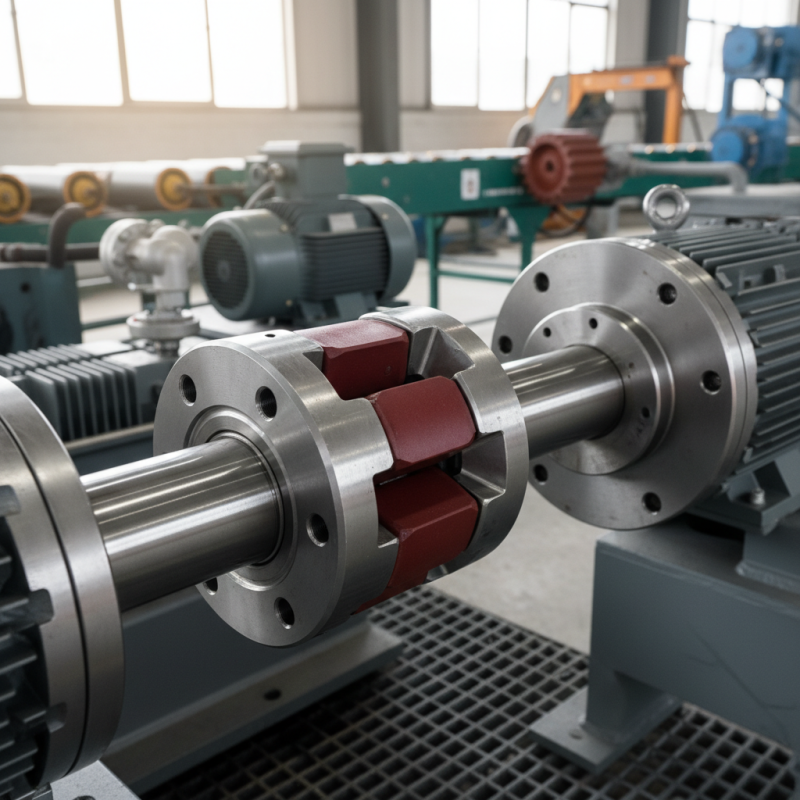
One of the advantages of spider couplings is their simple installation. They consist of two hubs and a flexible elastomeric element called a spider. This design helps to minimize wear and tear, extending the lifespan of machinery. Maintenance is usually straightforward, but it's crucial to regularly check for wear.
Tip: Always inspect the spider element for signs of degradation. If it's showing cracks, it may be time for a replacement. This can prevent costly downtime in your operations.
Flexibility is key when using spider couplings. However, choosing the right type for your application is critical. Some configurations may not work well under heavy loads, so consider your machinery's requirements. Understanding the limits of these couplings can avoid unexpected failures.
Key Industries Utilizing Spider Couplings for Enhanced Performance
Spider couplings have become crucial in various industries. They are known for their flexibility and ability to handle misalignment. Key sectors include manufacturing and robotics, where precision is essential. According to industry reports, the global coupling market is projected to reach $2.8 billion by 2025, driven largely by these industries.
In the automotive sector, spider couplings facilitate smoother power transfers between components. They reduce wear and tear, increasing the lifespan of mechanical systems. A study indicated that using spider couplings can increase system efficiency by around 15%. However, improper installation can lead to vibrations that negate these benefits, highlighting the need for careful handling.
Moreover, the energy sector utilizes spider couplings in wind turbines and generators. Their shock absorption capabilities minimize damage from operational stresses. Data suggests that implementing spider couplings can enhance the reliability of these systems by up to 20%. Nonetheless, ongoing maintenance is vital; neglect can lead to costly downtime and safety risks.
Top 10 Applications of Spider Couplings in Mechanical Systems
Spider couplings play a vital role in mechanical systems. They serve various applications across industries. These couplings connect shafts while accommodating misalignment, vibration, and shock loads. They are essential in sectors like automotive and manufacturing.
In conveyor systems, spider couplings help transmit power efficiently. They provide flexibility and dampen vibrations. This ensures a smooth operation, reducing wear and tear on components. In pumps and motors, they also absorb shocks, preventing damage to sensitive equipment.
Tips: Regularly inspect spider couplings to maintain performance. Pay attention to signs of wear, such as cracks or deformations. Replacing them on time can save costs in the long run.
They also find use in robotics. Precise motion is crucial in this field. Spider couplings support smooth operation while allowing for slight misalignments. However, if not aligned correctly, it can affect performance. It's important to monitor alignment continuously.
In electric drives, these couplings ensure energy efficiency. They connect motors to gearboxes seamlessly. However, improper installation may lead to failures. Always follow installation guidelines carefully to avoid issues.
Benefits of Using Spider Couplings in Industrial Settings
Spider couplings are widely used in industrial applications due to their unique advantages. These flexible couplings provide excellent shock absorption and accommodate misalignments. Their design allows for easy installation and maintenance, which is a huge plus in busy environments. Industries benefit from reduced downtime because they can quickly replace or adjust these components.
In addition to flexibility, spider couplings are known for their durability. They can withstand high torque and extreme temperatures. This resilience helps prevent damage to connected equipment. However, users must carefully match the coupling to their specific application. An incorrect choice may lead to performance issues or increased wear.
Moreover, spider couplings contribute to energy efficiency. By reducing vibration, they minimize energy loss during operation. This can translate to lower operational costs. Yet, it’s important for users to monitor the condition of the couplings regularly. Neglect can result in unexpected failures. So, while spider couplings offer numerous benefits, continuous attention is essential for optimal performance.
Comparative Analysis of Spider Couplings and Alternative Coupling Types
Spider couplings are essential in machinery, providing flexibility in power transmission. They excel in absorbing shocks and vibrations. Compared to rigid couplings, spider couplings allow for misalignment, which is crucial for many industrial applications. According to a recent industry report, 70% of mechanical failures relate to misalignment. Therefore, using spider couplings can significantly reduce downtime and maintenance costs.
When evaluating spider couplings against alternatives like disc and gear couplings, one must consider their unique features. Disc couplings offer higher torque but lack flexibility. Gear couplings can handle higher misalignments but may wear down faster. This trade-off means that choosing the right coupling type depends on specific application needs. Spider couplings, known for their ease of installation and maintenance, are often the preferred choice in many settings.
Tips: Always assess the operational environment. High-speed machines might need different couplings than lower-speed ones. Additionally, regularly inspecting couplings can prevent unexpected failures. Proper selection of coupling types is vital. It can enhance machinery reliability and efficiency tremendously.