2026 Top Air Compressor Trends Buyers Should Know?
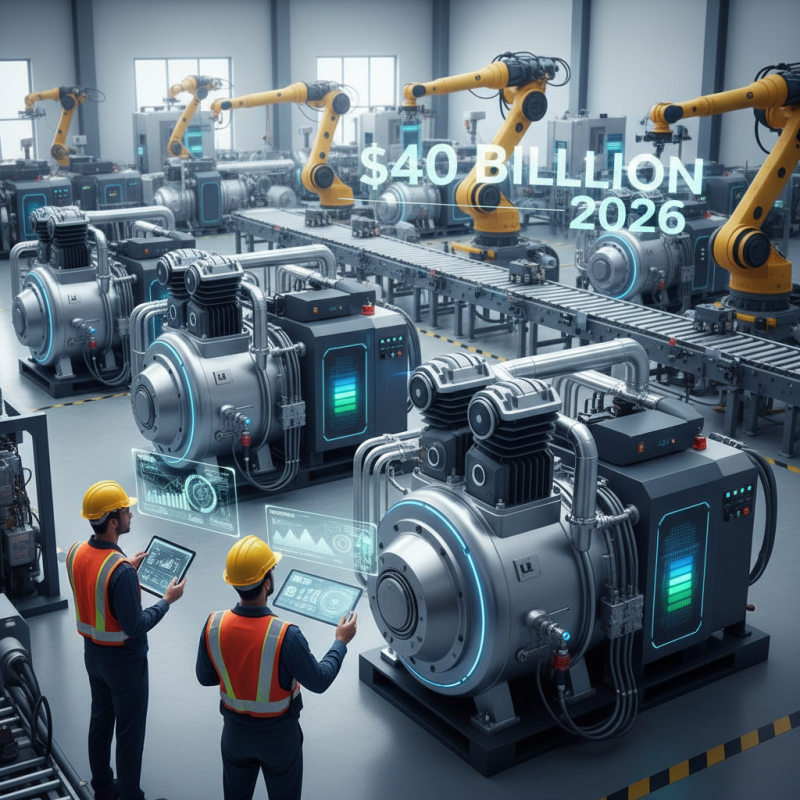
As industries strive for efficient operations, the Air Compressor market is evolving rapidly. According to a recent report by MarketsandMarkets, the air compressor market is projected to reach $40 billion by 2026, driven by innovations in technology and increased demand across various sectors. Automation and energy efficiency are key trends reshaping this landscape, attracting attention from buyers who seek cost-effective solutions.
Energy efficiency is more than just a trend. It directly impacts operational costs. For instance, rotary screw compressors now feature energy-saving technologies that reduce consumption by up to 30%. Meanwhile, advancements in smart technology provide real-time monitoring, allowing users to predict failures and optimize maintenance schedules. However, the rapid pace of change can lead to confusion. Buyers need to distinguish between marketing claims and genuine innovations.
Trustworthy resources are critical in this complex environment. Professional associations and industry reports offer valuable insights. They help buyers understand specifications and choose the right equipment. As the Air Compressor market evolves, staying informed will be essential to making effective purchasing decisions.
Emerging Technologies in Air Compressor Design for 2026
As we approach 2026, air compressor technology is evolving rapidly. Emerging designs focus on energy efficiency and sustainability. These models use advanced materials and smart technology to reduce waste and improve performance. Some units are even equipped with IoT capabilities, allowing for real-time monitoring. This adds an element of accountability that can enhance operational reliability.
Battery-powered air compressors are also making headway. They offer mobility and convenience for small-scale operations. However, they might lack the power for larger tasks. Users must weigh their needs carefully. Choosing the right type can prevent purchasing inefficiencies. Additionally, new noise-reduction technologies are being developed. Quieter models help maintain a better working environment, which is crucial in urban settings.
As innovative features emerge, there are challenges to address. Not all designs will be user-friendly, and some may require extensive training. Buyers should consider the learning curve and potential maintenance complexities. Knowing these factors can lead to a more informed purchase. Keeping these thoughts in mind is essential for making optimal choices in the evolving market.
Sustainability Trends Impacting Air Compressor Manufacturing
Sustainability is reshaping the air compressor market, driving innovations in manufacturing processes. According to a recent report by Research and Markets, the global air compressor market is projected to reach $47.65 billion by 2027, reflecting a compound annual growth rate (CAGR) of 4.45%. A significant portion of this growth aligns with companies adopting greener practices.
Many manufacturers are focusing on energy-efficient systems. Recent data indicates that energy efficiency improvements can reduce operational costs by 30%. These advancements not only lower expenses but also contribute to reducing carbon footprints. However, the challenge lies in balancing performance and sustainability. Some products still rely heavily on traditional materials, which can hinder overall eco-friendliness.
Moreover, the use of alternative energy sources is gaining traction. Solar-powered air compressors are an emerging trend. The potential for reduced greenhouse gas emissions is promising but not universally practical yet. As companies explore these avenues, some face hurdles in infrastructure and costs. Addressing these concerns will be crucial in shaping the future of air compressors while fostering a sustainable environment.
2026 Top Air Compressor Trends Buyers Should Know
This chart illustrates the predicted trends in air compressor technology and manufacturing practices for 2026, focusing on sustainability efforts and innovations across various sectors.
Smart Features and Automation in Modern Air Compressors
As industries evolve, air compressors are integrating smart features and automation. This shift enhances performance and efficiency. According to a recent market analysis by TechNavio, the global air compressor market is expected to grow by nearly $3 billion by 2026, driven largely by these technological advancements.
Smart air compressors utilize IoT technology. They enable real-time monitoring and predictive maintenance, reducing downtime. A report from ResearchAndMarkets highlights that companies adopting automation can achieve efficiency improvements of 20-30%. These advancements not only lead to cost savings but also optimize operational workflows.
However, not all buyers fully leverage these features. Many users remain unaware of the long-term benefits of investing in smart compressors. Data shows that organizations that fail to automate face higher operational costs, with inefficient equipment often leading to 15-20% more energy expenses. This gap in understanding highlights the need for education on the value of advanced technologies in air compression systems.
Market Demand Shifts: Industries Driving Air Compressor Sales
The air compressor market is witnessing significant shifts driven by evolving industry demands. Manufacturing and construction remain pivotal sectors, accounting for over 45% of air compressor sales, according to recent industry analyses. With advancements in technology, industries now seek energy-efficient solutions. The global move towards sustainability propels this trend further.
More companies are investing in variable speed drive (VSD) compressors. These models optimize energy usage, leading to reduced operational costs. A report from an industry research firm highlights that VSD-equipped air compressors can save up to 30% more energy compared to traditional models. This shift aligns with stricter environmental regulations, motivating companies to adopt greener solutions.
Tip: Regular maintenance can extend the lifespan of your air compressor. Small issues can escalate if not addressed instantly.
Another emerging trend is the rise of portable air compressors. These units cater to the growing DIY and small-scale construction markets. In fact, portable compressors are projected to grow by 10% annually over the next five years. However, users should note that while portability offers convenience, performance often varies across brands and models.
Tip: Evaluate your specific needs before purchasing a portable compressor. Make sure it aligns with both power requirements and portability.
Evaluating Energy Efficiency Standards for Air Compressors in 2026
As we approach 2026, energy efficiency standards for air compressors are becoming increasingly crucial. According to the Department of Energy (DOE), about 70% of industrial air compressor applications could significantly benefit from improved energy efficiency. By 2026, the industry is expected to adopt more stringent regulations, aimed at reducing energy consumption and operational costs.
Evaluating energy efficiency means understanding how compressors perform under various loads. The latest data indicates that variable speed drive (VSD) compressors can achieve energy savings of up to 35% compared to fixed-speed models. However, many users still overlook the potential of VSD technology. This gap highlights a need for training and awareness within the industry.
Moreover, as regulations become stricter, manufacturers will likely focus on integrating advanced technologies. These may include IoT-enabled systems that monitor energy use in real-time. Yet, there remains a challenge. Current estimates suggest that a significant portion of facilities still utilize outdated compressors that do not meet the upcoming standards. This situation could lead to compliance issues and increased costs in the future. The push for energy efficiency stands at a crossroads, urging buyers to rethink their current air compressor strategies.

