Top Gate Valves in China for Global Buyers 2026?
In the global market, gate valves play a crucial role in fluid control. This article explores the top gate valves in China, emphasizing their importance for international buyers in 2026. Understanding the specifications and features of these valves is essential for making informed decisions.
China has become a prominent player in the gate valve industry. The country offers a wide range of products that cater to various needs. However, not all gate valves meet global standards. Therefore, buyers must conduct thorough research. It’s vital to consider factors such as materials, durability, and manufacturer reputation. Many options exist, but not every valve provides reliable performance.
Furthermore, the gate valve market faces challenges. Quality assurance remains a concern for some manufacturers. Buyers should verify certifications and compliance with industry standards. This diligence ensures that the chosen gate valves perform efficiently in critical applications. The evolving market landscape invites a careful approach, as buyers need trustworthy suppliers. Their choices will impact safety and operational efficiency.

Overview of Gate Valves Market in China for 2026
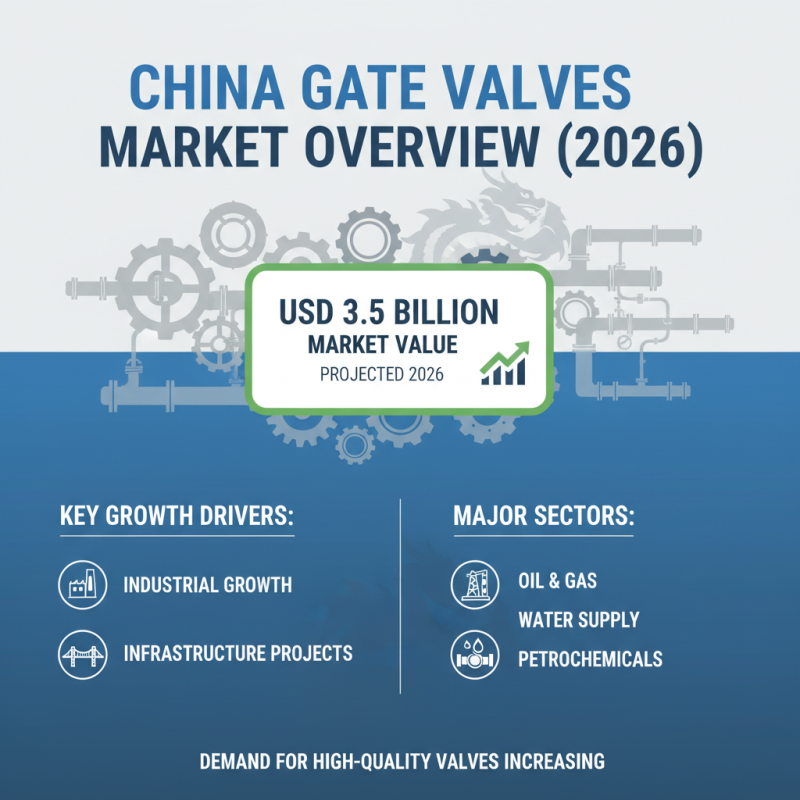
The gate valves market in China is evolving rapidly, primarily driven by industrial growth and infrastructure projects. In 2026, the market is expected to reach approximately USD 3.5 billion. This projected growth is fueled by the increasing demand for high-quality valves in sectors like oil and gas, water supply, and petrochemicals.
Experts note that the adoption of advanced manufacturing technologies is key to meeting this demand. Reports indicate a shift towards more automated production processes. This could lead to higher precision in valve manufacturing. The market is also witnessing a greater emphasis on sustainability, with companies exploring eco-friendly materials. However, some challenges persist, including quality control issues that manufacturers need to address.
Tips for buyers: Always prioritize suppliers with proven track records. Quality certifications can be a reliable indicator of supplier expertise. Additionally, consider the long-term service and maintenance options available. Explore reviews and case studies for valuable insights into performance and reliability.
Key Manufacturers of Gate Valves in China
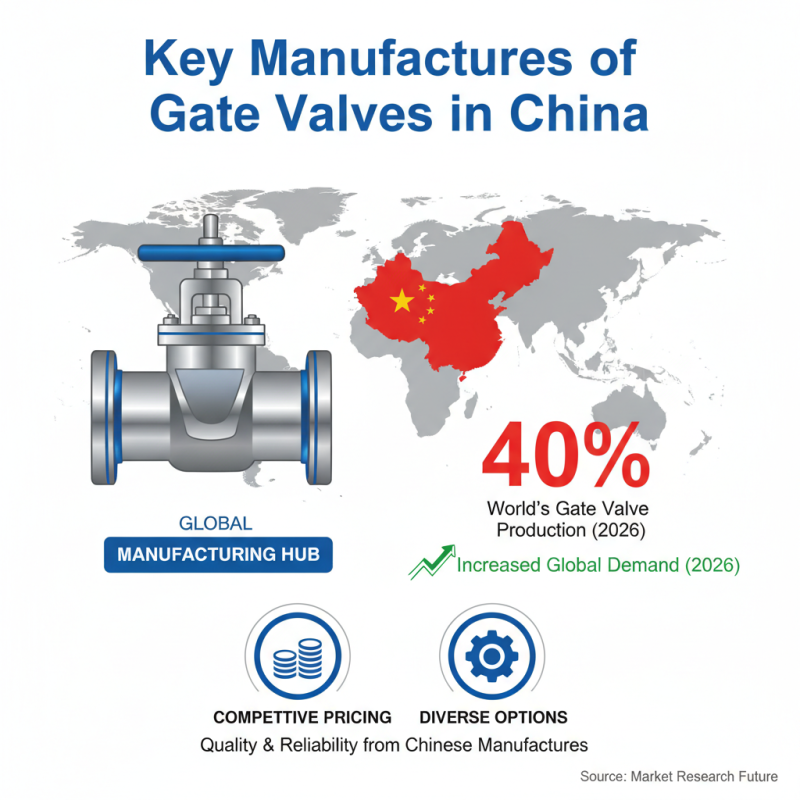
China has established itself as a major hub for gate valve manufacturing. In 2026, global buyers will increasingly look to Chinese manufacturers for quality and reliability. The country produces around 40% of the world’s total gate valves, according to industry reports from Market Research Future. This vast production capacity allows for competitive pricing and diverse options for international clients.
The leading manufacturers often employ advanced technology in valve design. Many companies focus on research and development, adapting to market demands and safety standards. For instance, the introduction of smart valve technology presents opportunities for improved efficiency and control. However, not all manufacturers meet stringent global standards. Buyers must perform due diligence before making purchases.
Quality control measures vary significantly among manufacturers. Some companies achieve ISO certification, ensuring compliance with international standards. Others may face challenges in maintaining consistency. This inconsistency can impact the performance of gate valves over time. Engaging with reliable suppliers and checking certifications is essential for global buyers navigating this complex market.
Specifications and Types of Gate Valves Available
In the realm of industrial applications, gate valves play a crucial role. They are essential for regulating flow in various systems, from water supply to oil pipelines. The specifications for gate valves can vary widely, catering to unique operational needs. Common materials include cast iron, stainless steel, and brass, each providing durability and resistance to corrosion.
A recent industry report projects the gate valve market in China will grow by 4.5% annually until 2026. This growth highlights the increasing demand for reliable and efficient valve solutions. Types available include rising stem and non-rising stem gate valves. The choice depends on space constraints and operation efficiency. Rising stem versions are visible during operation, while non-rising types are more compact.
Tips: Always assess the environment in which the valve will operate. Consider factors such as pressure, temperature, and fluid type. Selecting the right material is vital for longevity. Regular maintenance checks can prevent costly failures and downtime. Understanding specifications helps in making informed decisions. However, not all applications require the same valve type, leading to complexities in selection.
Top Gate Valves in China for Global Buyers 2026
| Type |
Size (Inches) |
Material |
Pressure Rating (MPa) |
Connection Type |
Application |
| API Gate Valve |
2 |
Carbon Steel |
16 |
Flanged |
Oil & Gas |
| Wedge Gate Valve |
4 |
Stainless Steel |
25 |
Screwed |
Water Supply |
| Globe Gate Valve |
6 |
Ductile Iron |
10 |
Welded |
Chemical Processing |
| Rising Stem Gate Valve |
8 |
Bronze |
32 |
Flanged |
HVAC Systems |
| Knife Gate Valve |
10 |
Polymer Coated |
6 |
Wafer |
Waste Water |
Trends Affecting Global Demand for Chinese Gate Valves
The demand for gate valves in China is on the rise, driven by several global trends. According to a recent report from Market Research Future, the global valve market is expected to grow by 5.5% annually until 2026. This growth is significant for Chinese manufacturers, as they play a crucial role in meeting international demand.
One key factor influencing this trend is the increasing investment in infrastructure projects worldwide. From transportation networks to energy facilities, various sectors require robust valve solutions. Additionally, the push for sustainable energy sources is driving demand for high-quality gate valves that can manage diverse fluids efficiently. As industries evolve, so must the products.
However, challenges persist in quality assurance and compliance with international standards. Reports indicate that nearly 30% of manufacturers face difficulties in meeting the stringent quality regulations set by foreign markets. This discrepancy raises questions about reliability and could impact purchasing decisions. Many buyers seek assurance that products will perform under pressure, emphasizing the need for continuous improvement in manufacturing practices.
Challenges Faced by Global Buyers in Sourcing Gate Valves from China
Global buyers face several challenges when sourcing gate valves from China.
Factors such as quality assurance, supply chain reliability, and
fluctuating costs can complicate procurement processes.
According to a report by the International Valves Association, over
40% of buyers report difficulties with quality consistency from suppliers in China.
Ensuring the right specifications is crucial for successful projects, as discrepancies
can lead to costly delays.
Another common issue is communication. Language barriers can
sometimes result in misunderstandings about product specifications. Non-native English
speakers may struggle to interpret technical documents. Clear communication
is essential for successful sourcing. A dedicated sourcing agent or a local intermediary can help bridge this gap.
Tip: Invest in thorough background checks on potential suppliers.
Look for certifications and customer reviews. This can enhance trust and ensure your
sourcing process is smoother.
It is vital to consider the economic landscape as well.
Political tensions and trade policies may impact your supply chain. Monitoring these developments
can keep buyers informed. Be prepared for possible delays or additional tariffs.
Adapting quickly is essential in this dynamic market.