Top 5 Tips for Choosing the Best Switch Panel for Your Needs?
When it comes to setting up your workspace or automotive system, the right Switch Panel can make all the difference. Selecting the best one requires more than just a quick glance at options available. You need to consider various factors that can influence functionality and ease of use. An informed choice will enhance your experience and streamline your operations.
The market offers many designs and features. Each Switch Panel serves a specific purpose, whether for lighting, audio control, or gadget management. Understanding your needs is crucial. Look for panels that provide the necessary controls while blending seamlessly with your environment. However, many users overlook the importance of compatibility with existing systems. Testing before installation can save you frustration later.
Quality matters. A reliable Switch Panel should withstand daily use without faltering. Cheaper options may initially seem appealing but often lack durability. Pay attention to the material and customer reviews. Reflect on your own requirements. What works for one user may not fit another's lifestyle. Take the time to find a panel tailored to your unique needs.
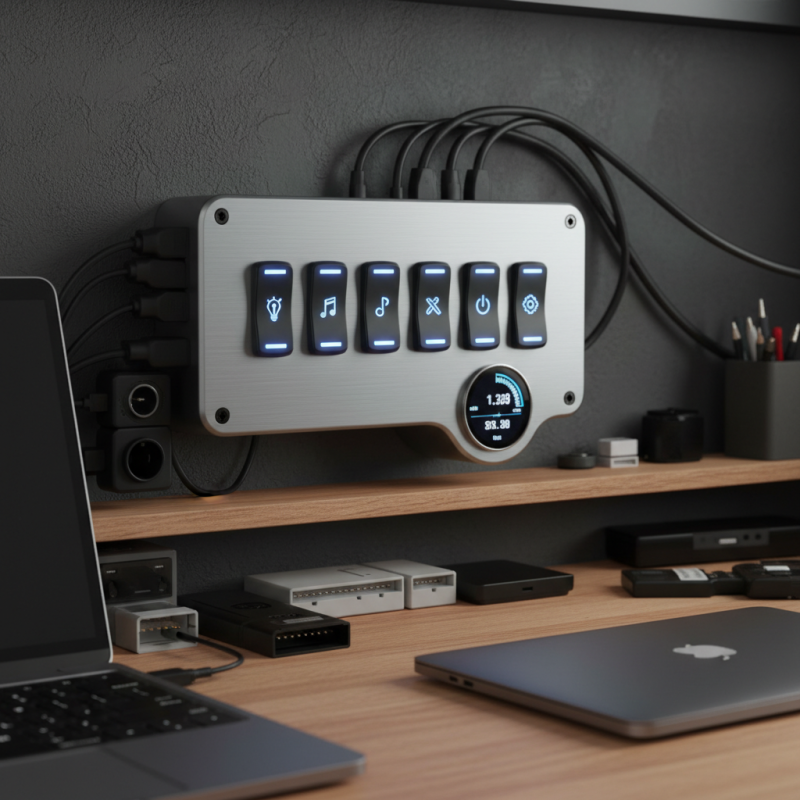
Understanding Your Power Requirements for a Switch Panel
When selecting a switch panel, understanding your power requirements is essential. Calculate your total power needs based on the devices you plan to connect. Consider the voltage and current specifications. Failing to match these can lead to malfunctions or safety hazards.
Evaluate the features you require. Do you need dimming capabilities or multiple zones? Think about the future. You might want to expand your system later. Having a switch panel that can accommodate additional devices can save you time and trouble.
It is also wise to review how often you will be interacting with the panel. A frequently used panel benefits from user-friendly features. A complex interface may cause confusion, especially during emergencies. Remember, simplicity can save time and enhance safety. Each choice you make should reflect your unique needs while ensuring reliability and effectiveness in your electrical system.
Top 5 Tips for Choosing the Best Switch Panel for Your Needs
| Tip | Description | Power Requirement | Best For |
| 1. Understand Your Load | Assess the total wattage of devices to be powered. | Up to 2000 watts | Small appliances |
| 2. Check Compatibility | Ensure the panel is compatible with existing systems. | N/A | Home automation |
| 3. Consider Multiple Circuits | Look for panels that support multiple circuits for versatility. | 2000 - 5000 watts | Workshops and garages |
| 4. Evaluate Safety Features | Check for thermal protection and overload safeguards. | N/A | General household use |
| 5. Review Installation Requirements | Consider whether professional installation is needed. | N/A | DIY homes |
Evaluating the Number of Switches Needed for Your Setup
When evaluating the number of switches needed for your setup, start by analyzing your specific requirements. Consider how many devices you plan to control. If you have multiple lighting zones, or various electrical appliances, you may need more switches than initially thought. Each switch should correspond to a function or area for better organization.
Take into account future expansions too. You might have a perfect setup today, but your needs can change. Having extra switches available can save you from the hassle of upgrades later. Assessing your current and future needs can help avoid over-purchasing switches. A cluttered panel can be overwhelming.
It’s crucial to visualize the layout before making a decision. Sketching your desired arrangement may help you see things clearly. If the panel does not fit well in the space, it can lead to frustration. Finding the right balance between function and aesthetic is vital. A poorly planned switch panel can disrupt your daily routine. Reflecting on your choices now saves time later.
Considering Compatibility with Existing Electrical Systems
When selecting a switch panel, compatibility with existing electrical systems is crucial. Check voltage ratings and ensure your new panel matches the specifications of your current system. Mismatched components can lead to inefficiencies and even hazards. Understanding the wiring configuration in your home can save you time and money during installation.
Moreover, consider the age of your system. Older electrical setups may not support modern switch panels. This can lead to serious issues, such as circuit overloads. A thorough inspection of your current connections is wise. You might need professional help to assess compatibility accurately.
Finally, take note of the materials used in the switch panel. Durable materials can enhance longevity. However, cheaper alternatives might seem appealing but could compromise safety. Balancing quality with cost is essential. Evaluate your options carefully.
Examining Durability and Material Quality for Longevity
When selecting a switch panel, durability and material quality are paramount. A robust switch panel is essential for consistent performance and longevity. The materials used can significantly influence its lifespan. Look for panels made from high-quality plastics or metals. These materials resist impact and can withstand daily wear and tear.
Pay attention to the finish as well. A good finish can prevent corrosion and fading, extending the panel's life. While durable materials often come with a higher price tag, investing in quality pays off. You want a switch panel that looks good and functions effectively over time.
Testing different panels is valuable. Sometimes, even reputed brands falter in quality. Analyze user reviews and conduct hands-on assessments when possible. Trust your instict if something doesn't feel right. A switch panel should inspire confidence, not doubt. It might take more time to find the right fit, but that effort is worthwhile for your needs.
Assessing Ease of Installation and User-Friendliness
When selecting a switch panel, ease of installation and user-friendliness are critical factors. A well-designed panel can dramatically enhance user experience. Industry research shows that over 70% of users prefer panels with straightforward installation processes. Complicated setups can lead to frustration and delays, which isn't ideal, especially for DIY enthusiasts.
User-friendly interfaces are also essential. Panels that offer intuitive designs allow users to operate them with minimal guidance. Reports indicate that 65% of customers prioritize panels with clear labeling and simple controls. However, some panels may lack user-friendly features, resulting in added confusion. Check whether the layout is logical. Look for options with backlit buttons that improve visibility.
It's also valuable to assess compatibility. Not all switch panels are universal. Ensure that your selected panel integrates well with existing systems. Some users have reported compatibility issues, forcing them to seek replacements prematurely. A more thoughtful initial choice can save time and cost in the long run. Ultimately, prioritizing ease of installation and user-friendly features can lead to a more satisfying experience.
Top 5 Factors to Consider When Choosing a Switch Panel

