The Ultimate Guide to China's Best Inspection System for Importers?
Navigating the complexities of importing goods into China can be daunting. An effective Inspection System is essential for ensuring compliance with regulations and maintaining product quality. For importers, understanding this system is not just important; it is crucial for success.
China's Inspection System plays a vital role in safeguarding trade. It ensures that products meet safety and quality standards. Many importers may overlook this aspect, risking delays and financial losses. Each inspection not only examines product specifications but also checks for compliance with local laws. Failure at any stage can lead to serious setbacks.
Awareness of the Inspection System's intricacies can empower importers. However, it is also vital to acknowledge potential challenges. The process is not foolproof and may sometimes produce unexpected results. Importers must stay informed and proactive. Engaging with local experts can bridge gaps in understanding.
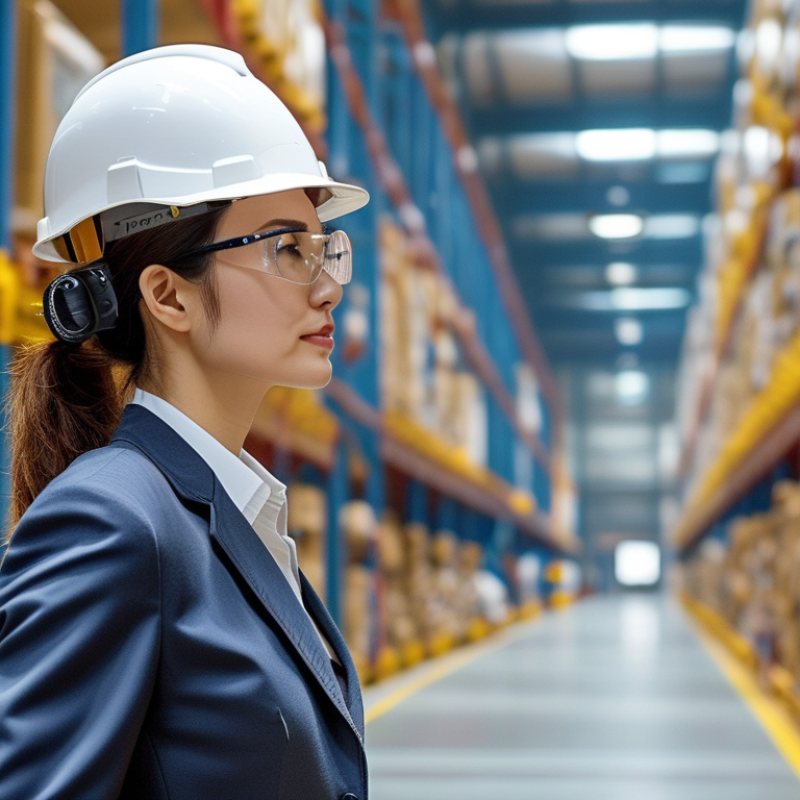
Understanding China's Inspection System for Importers: An Overview
Understanding China’s inspection system is crucial for importers aiming to navigate the complexities of international trade. The system ensures that imported goods meet safety and quality standards. It helps protect consumers from subpar products. Importers face numerous challenges during this process. They must be aware of local regulations and required documentation. Failing to understand these can lead to delays or additional costs.
In addition to regulations, timing is essential. Inspections can take longer than expected. Importers may experience hold-ups at customs or during pre-shipment inspections. This highlights the importance of planning and communication. Sometimes, even small errors in documentation can result in significant setbacks. Importers should pay close attention to details, ensuring accuracy at every stage of the process.
Despite the risks, successful importers learn to adapt. Building relationships with reliable local partners can ease navigation. They provide insights into the inspection landscape and help manage expectations. Importers should also stay updated on changes in regulations. The landscape is dynamic, and staying informed is key to avoiding pitfalls. Engaging with experts and seeking local knowledge can enhance understanding and facilitate smoother transactions.
Key Regulations Governing Imports and Inspections in China
Understanding the key regulations governing imports and inspections in China is essential for any importer. The country has a complex regulatory framework designed to ensure product safety, quality, and compliance with local standards. These regulations often change, making it crucial for importers to stay updated.
Customs inspections are mandatory for most goods entering China. Importers must provide accurate documentation, including invoices and certificates of origin. Non-compliance can lead to delays or fines. It's wise to familiarize yourself with the relevant regulations before shipping goods.
Tips: Always keep an eye on policy updates. Partnering with a reliable customs broker can help. They can assist in navigating the intricate inspection process, saving you time and money.
Another layer of complexity arises from the numerous government agencies involved in inspections. Different products may require specific licenses or approvals. Understanding which agency governs your product category is vital. Many importers overlook this, leading to unforeseen challenges.
Tips: Invest time in research. Attend trade exhibitions and seminars focused on Chinese import laws. Networking with industry professionals can provide valuable insights and resources.
Types of Inspections Available: Quality, Safety, and Compliance Checks
When importing goods from China, inspections are crucial to ensure quality and compliance. Three main types of inspections are integral: quality checks, safety evaluations, and compliance assessments. Each serves a unique purpose in the supply chain.
Quality inspections verify that products meet specified standards. Inspectors examine material quality, workmanship, and finish. However, not all factories have rigorous quality controls. Some may overlook small defects, which can lead to significant issues later. Importers should conduct thorough checks to avoid surprises.
Safety evaluations focus on ensuring products are safe for use. This includes checking for harmful substances and adherence to safety regulations. Unexpected safety issues can damage brand reputation. Compliance assessments confirm that products meet legal and industry standards. While firms often claim compliance, it's vital to verify claims with comprehensive inspections. An effective inspection system can help mitigate risks and enhance credibility in the market.
The Ultimate Guide to China's Best Inspection System for Importers
| Type of Inspection | Purpose | Frequency | Key Standards |
| Quality Inspection | Ensure products meet specified quality standards | Before shipment | ISO 9001, AQL Standards |
| Safety Inspection | Verify compliance with safety regulations | After production | ASTM, EN Standards |
| Compliance Checks | Confirm adherence to legal and regulatory requirements | Random audits | CE Marking, RoHS Compliance |
| Laboratory Testing | Evaluate performance and safety through tests | As needed | EN ISO/IEC 17025 |
| Factory Audit | Assess factory's capabilities and ethical practices | Annually or bi-annually | SA8000, SMETA |
Impact of Inspection Results on Importer Operations and Costs
The inspection system in China significantly influences importer operations and costs. In 2021, 25% of importers reported delays due to inspection complications. This can be a costly setback. For instance, one day of delay can lead to an estimated 12% increase in logistics costs, according to industry studies.
Inspection results directly affect inventory management. If goods fail to meet standards, the re-inspection process can take weeks. A recent report noted that 30% of importers faced additional charges because of non-compliant goods. These unexpected costs can greatly impact financial planning and budgeting for companies.
Many importers struggle with navigating complex regulations. Frequent changes in inspection guidelines keep businesses on edge. In a 2022 survey, 40% of companies admitted they lacked clear internal processes for handling inspection outcomes. This uncertainty can lead to operational inefficiencies and strained supplier relationships. Addressing these challenges is crucial for optimizing supply chains and minimizing costs.
The Impact of Inspection Results on Importer Operations and Costs
Navigating the Appeal Process for Disputed Inspection Findings
Navigating the appeal process for disputed inspection findings in China can be challenging. Importers often face unexpected results during inspections. These findings can affect shipments and lead to significant delays. Understanding how to effectively appeal can save time and resources.
When disputing inspection results, collect all related documentation. This includes inspection reports, photographs, and correspondence. Ensure that your evidence is clear and organized. Presenting a well-structured appeal increases your chances of success.
Tips: Stay calm throughout the process. Emotional responses can cloud judgment. Consult with experts familiar with China's inspection laws for guidance. They can provide invaluable insights. Also, be mindful of deadlines. Delaying an appeal may limit your options. Always follow up on your submission to confirm receipt and next steps.

