Why Choose Visible Light Filters for Enhanced Vision?
In today's world, where digital screens dominate our daily lives, vision health has become paramount. Many people overlook the impact of visible light on their eyes. Visible light Filters are designed to enhance vision by reducing glare and improving clarity. These filters help block harmful blue light, which is common in our devices.
Using visible light filters can lead to a more comfortable viewing experience. They can reduce eye strain during long hours of screen use. This is especially important for professionals and students who spend extensive time in front of screens. The filters also promote better color perception, making images and text clearer.
However, not all visible light filters are created equal. Some may provide insufficient protection or alter colors too much. Consumers must research reliable products that meet their needs. Understanding the science behind visible light filters can empower individuals to make informed decisions for their eye health.
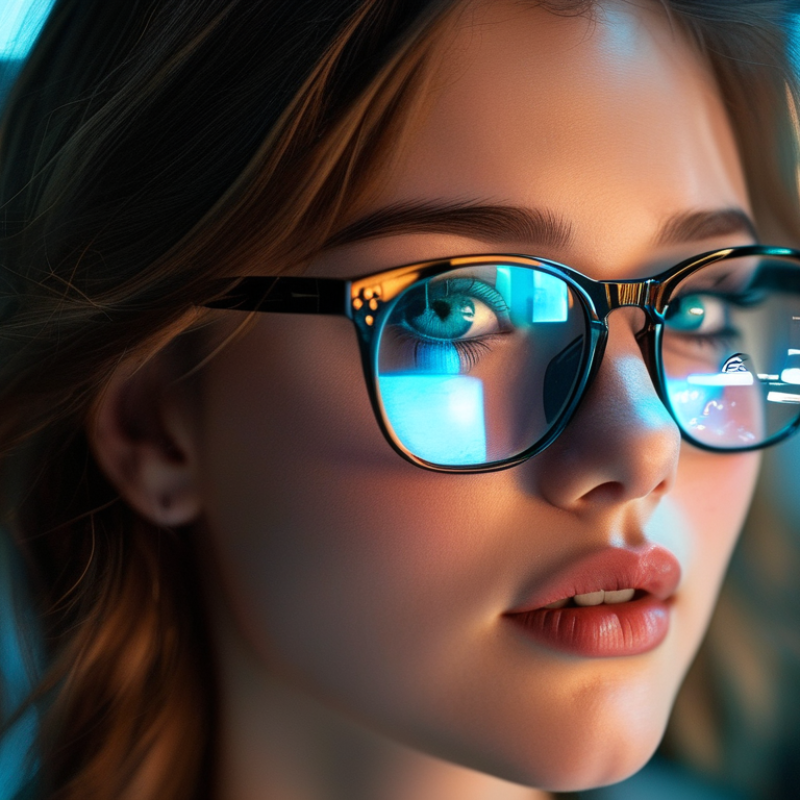
Benefits of Visible Light Filters for Eye Health and Comfort
Visible light filters significantly contribute to eye health and comfort. Scientific studies indicate that excessive exposure to blue light can lead to digital eye strain. A report from the American Optometric Association states that approximately 60% of adults experience symptoms of digital eye strain. This strain often manifests as blurred vision, dryness, and headaches. By utilizing visible light filters, individuals can reduce their exposure to harmful wavelengths while maintaining visual clarity.
Moreover, visible light filters enhance contrast, improving vision in bright and challenging environments. A study published in "Ophthalmology Times" found that these filters can improve visual comfort by reducing glare and enhancing colors. This is particularly beneficial for those who spend extended periods working on screens. Interestingly, users of visible light filters reported feeling less fatigued. Their eyes showed fewer signs of strain compared to those who did not use these features.
Despite these advantages, some people may still experience discomfort. This suggests further investigation into personal eye health is essential. Not all filters suit every individual, as variation in response exists. Choosing the right filter requires understanding one's needs. Through careful selection, visible light filters can become a valuable tool for promoting eye comfort and overall health.
Understanding How Visible Light Affects Vision
Visible light plays a crucial role in how we perceive the world around us. It influences not only our vision but also our mood and overall health. When we talk about visible light, we refer to the rays that are part of the electromagnetic spectrum, which are visible to the human eye. While essential for sight, prolonged exposure to bright light can lead to discomfort and eye strain. This discomfort often goes unnoticed until it becomes a recurring issue.
Understanding visible light helps us appreciate the importance of employing filters in our daily lives. These filters can reduce glare and enhance contrast in various environments. For instance, working on digital screens can expose our eyes to harsh lighting. It may cause fatigue, especially during long hours of usage. A simple visible light filter can make a significant difference. It softens the intensity and helps maintain visual clarity, leading to a more comfortable experience.
However, not every filter offers the same level of protection. Some may block too much light, making it difficult to see clearly. It's important to find a balance that suits your needs and environment. Experimenting with different options can provide insights into what works best for you, promoting better eye health. This journey often requires reflection and adjustment, as everyone’s eyes react differently to visible light.
Types of Visible Light Filters and Their Applications
Visible light filters play a crucial role in enhancing visual experiences across various fields. There are several types of filters, each with unique applications. For example, blue light filters are commonly used in eyewear and screens. According to the American Optometric Association, prolonged exposure to blue light can lead to digital eye strain and discomfort. These filters help mitigate such discomfort by absorbing a portion of blue light.
Another important type is UV filters. They prevent ultraviolet light from reaching the eyes. A report from the Vision Council indicates that UV exposure can lead to cataracts and other eye disorders. By incorporating UV filters in sunglasses and other eyewear, consumers can protect their long-term eye health. Enhanced vision benefits are also seen indoors. Various lighting conditions in offices and homes can benefit from visible light filters, making environments safer and more comfortable.
Additionally, there are color-tinted filters. These filters can enhance contrast and reduce glare, especially for activities like driving or sports. Research from the Optical Society reveals that these filters can improve contrast sensitivity, which is vital for identifying objects in challenging conditions. However, while they have benefits, excessive use might lead to color distortion, which requires careful consideration.
Choosing the Right Visible Light Filter for Your Needs
Choosing the right visible light filter is crucial for optimized vision. Various factors come into play, such as the type of environment you are in and the nature of your visual tasks. Filters can help reduce glare and enhance contrast. They can make the details in your work clearer. However, selecting the wrong filter may lead to color distortion or inadequate protection.
Consider your everyday activities when choosing a filter. If you're in a brightly lit space, a filter that minimizes blue light can reduce eye strain. Students may require filters that help with reading comfort, while professionals may prioritize filters for screen time. The filter's color and density impact how it interacts with light. Not every filter suits all situations, so testing options is vital.
Assessing your comfort during use is essential. You might find that a filter causes slight discomfort initially. This could signal a mismatch with your needs. It’s important to reflect on these experiences to ensure you find the best fit. Each person’s vision is unique, and individual preferences play a significant role in filter selection. Experimentation may lead to discovering the filter that truly enhances your vision.
Why Choose Visible Light Filters for Enhanced Vision? - Choosing the Right Visible Light Filter for Your Needs
| Filter Type | Wavelength Range (nm) | Benefits | Ideal Use Case |
| Blue Light Filter | 400 - 495 | Reduces digital eye strain | Computer and smartphone use |
| Polarized Filter | All wavelengths | Minimizes glare from reflective surfaces | Driving and outdoor activities |
| Photochromatic Filter | 300 - 700 | Adjusts to changing light conditions | Outdoor and indoor transitions |
| Yellow Tint Filter | 400 - 580 | Enhances contrast and depth perception | Driving in foggy or low-light conditions |
Future Trends in Visible Light Filtering Technology
The future of visible light filtering technology is rapidly evolving. As research continues, new materials are emerging. These materials enhance color accuracy and contrast for users. Innovations include nanotechnology, which allows for thinner, more effective filters. Such advancements promise better visual comfort. They can help reduce glare in bright environments.
The integration of artificial intelligence is another trend. AI algorithms can now analyze lighting conditions in real-time. They adjust filters accordingly, providing optimal visibility. Users might notice enhanced clarity and reduced eye strain during prolonged use. However, challenges remain. The complexity of these technologies may lead to confusion for some users.
Cost is a significant factor as well. While advanced filters can improve vision, they might not be affordable for everyone. Striking a balance between functionality and accessibility will be crucial. Continued education about these technologies will help users make informed choices. As we look ahead, visible light filters will likely become integral to daily life, enhancing our visual experience.

