Global buyers now face a wider choice of pulsation dampener designs than ever before. Reciprocating pumps may need different protection from metering pumps, diaphragm pumps, or high-pressure process systems. A compact bladder unit can suit a clean chemical line. A stainless-steel diaphragm model may perform better in corrosive service. The correct decision begins with application data.
Pump specialist Dr. Lev Nelik has emphasized, “Good pump protection starts with understanding the system, not simply adding hardware.” That principle remains practical for international purchasing teams. Flow rate, discharge pressure, fluid temperature, viscosity, and gas compatibility must be checked before comparing prices. Even a small mismatch can create pressure spikes, noisy pipework, premature valve wear, or unstable dosing. Sometimes, the cheapest unit becomes the most expensive component.
This guide reviews the leading pulsation dampener types expected to attract global buyers in 2026. It considers bladder, diaphragm, piston, and inline designs. It also examines materials, precharge requirements, maintenance access, certification expectations, and supplier reliability. Regional service support matters, especially when replacement parts cross borders. So does documentation.
A useful detail is often overlooked: installation space. A dampener may fit the pressure rating but fail beside a crowded pump skid. Buyers should question catalogue assumptions. Laboratory performance is not always identical to field performance. Real systems contain imperfect piping, changing temperatures, and human errors. The best choice is therefore not merely the strongest model. It is the design that remains dependable under actual operating conditions.
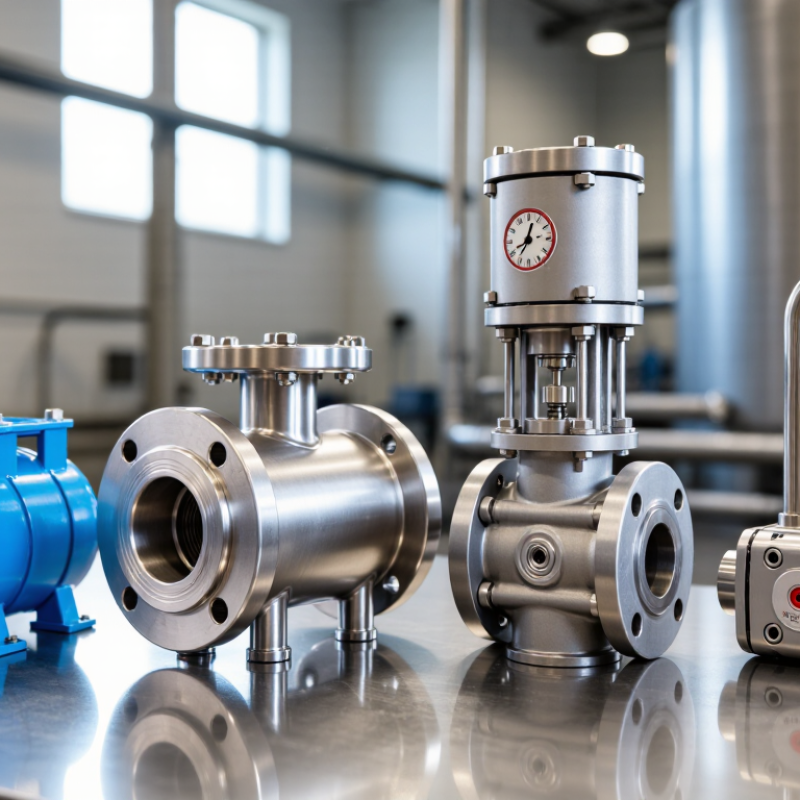
2026 Top Pulsation Dampener Types for Global Buyers
What Is a Pulsation Dampener and How Does It Work?
A pulsation dampener is a pressure vessel installed near a reciprocating or metering pump. It reduces pressure waves created when each diaphragm or piston stroke starts and stops. Inside, a gas chamber or flexible bladder compresses during a pressure spike. It then releases stored energy when flow falls. The result is steadier discharge, lower vibration, and less stress on piping, gauges, and valves.
Field inspections often reveal a simple mistake: buyers size dampeners from pump flow alone. Gas pre-charge, fluid density, stroke frequency, temperature, and pipe volume also matter. API Standard 674 treats pulsation control as part of reliable positive-displacement pump design. The U.S. Department of Energy reports that pumping systems can consume about 25% of industrial electricity. Poor flow control may increase energy losses, although the actual saving depends on system design. That limitation deserves attention.
Tips: Check the required pressure, temperature, and fluid compatibility before selection. Compare bladder, diaphragm, and hydropneumatic designs. Confirm the pre-charge procedure with the manufacturer’s technical data. A dampener mounted too far from the pump may respond slowly. It can look correctly sized and still perform poorly. During commissioning, record suction pressure, discharge pressure, vibration, and gas pre-charge. These measurements provide stronger evidence than catalog claims.
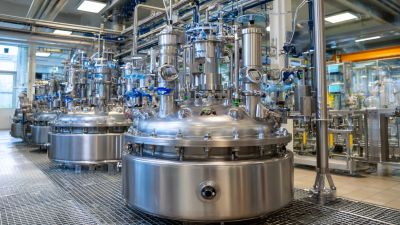
2026 Top Pulsation Dampener Types for Global Buyers
The Main Pulsation Dampener Types Available in 2026
Diaphragm dampeners suit many metering and dosing pumps. A flexible diaphragm separates the pumped liquid from compressed gas. This design reduces pressure spikes while limiting contamination risks. Bladder dampeners use a replaceable elastic bladder inside a pressure vessel. They respond quickly and work well with clean, low-viscosity fluids. However, bladder wear can increase when temperatures, chemicals, or cycling rates exceed the specified limits.
Piston dampeners handle demanding pressure conditions and frequent operation. Their robust structure suits thicker fluids, but seals require careful inspection. Hydraulic dampeners can absorb strong pulsations in high-pressure systems. They often need accurate precharge settings and properly selected hydraulic fluid. Mechanical dampeners remain useful in simpler installations, although their adjustment range may be narrower. No single type wins every application. Sizing tables help, but actual pipe length, pump speed, fluid density, and pressure variation must also be checked. A small oversight can create noise, vibration, or premature seal failure.
Tips: Confirm the fluid temperature and chemical compatibility first. Measure discharge pressure during real operation, not only at startup. Leave access for diaphragm, bladder, or seal maintenance. Recheck precharge after commissioning. This step is often missed. When uncertain, compare two suitable designs with a qualified engineer, because the cheapest option may not deliver the lowest lifecycle cost.
In 2026, global buyers should compare pulsation dampeners by service conditions, not catalog size. Pressure comes first. The maximum working pressure must exceed normal discharge pressure, including surge and temperature effects. API 674 recommends evaluating pulsation, vibration, and pressure fluctuations within the complete reciprocating-pump system. A dampener rated at 100 bar may be unsuitable near that limit.
Material selection requires similar discipline. Stainless steel suits many water, chemical, and food-process duties, but chloride-rich fluids can still cause pitting. Carbon steel may offer strength and lower cost, yet it needs protection against corrosion. Diaphragm or bladder materials must match temperature, concentration, and permeation risks. Compatibility is chemical. Check elastomer charts, safety data sheets, and actual fluid samples before approval. One overlooked additive can shorten service life.
The U.S. Department of Energy’s Improving Pumping System Performance sourcebook reports that pumping systems can consume 25% to 50% of industrial electricity in some facilities. That makes stable flow more than a maintenance concern. It affects energy use, seal life, and production consistency. Field reality differs. Water hammer, gas entrainment, and poor precharge settings can defeat a correctly sized unit. A 2024 condition assessment should include pressure logs, operating temperature, cycle frequency, and inspection history. I would not rely on one datasheet alone; laboratory compatibility is useful, but site experience sometimes exposes the missing detail.
2026 Top Pulsation Dampener Types for Global Buyers
How Global Buyers Can Select the Right Dampener for Each System
Selecting a pulsation dampener starts with the pump, not the catalog. Diaphragm dampeners suit many metering applications with clean or mildly aggressive fluids. Bladder designs respond quickly and work well with changing flow rates. Piston dampeners handle higher pressures, but they require careful sealing and maintenance planning. Material compatibility matters greatly. Check the wetted parts against the fluid, temperature, concentration, and cleaning chemicals.
Field experience shows that pressure range alone cannot guide a safe choice. Review the pump speed, stroke frequency, discharge volume, and pipe length. A small vessel may reduce vibration near the pump but perform poorly across a long pipeline. Confirm connection standards, pressure-test requirements, and regional documentation before ordering. Buyers should also request performance data at actual operating conditions. Generic curves can mislead.
Tips: Record pressure before and after installation. Watch the gauge during startup. Leave adjustment access around the dampener. Compare the expected pulsation level with measured results. Installation errors happen, even on experienced teams. I once underestimated temperature changes in a cleaning cycle; the selected elastomer aged faster than expected. That mistake reinforced a simple lesson: verify every operating condition, including unusual ones. A technically suitable dampener may still fail when service access, spare parts, or local support is overlooked.
A practical comparison of common dampener technologies for reciprocating pumps, metering systems, and process pipelines
| Dampener Type | Operating Principle | Best-Fit Systems | Typical Installation Position | Main Advantages | Key Limitations | Maintenance Considerations | Selection Priority |
|---|---|---|---|---|---|---|---|
| Bladder Pulsation Dampener | A gas-charged bladder compresses and expands to absorb pressure fluctuations while separating the gas from the process liquid. | High-pressure metering pumps, chemical injection packages, hydraulic circuits, and general liquid-service reciprocating pumps. | Usually installed close to the pump discharge; a suction-side version may be used where inlet acceleration must be reduced. | Good pulsation reduction; compact design; process fluid does not normally contact the gas; suitable for many clean liquids. | Bladder material can limit temperature, chemical compatibility, and cycle life; incorrect pre-charge can reduce performance. | Check gas pre-charge, inspect the bladder during scheduled shutdowns, and verify seals and pressure ratings. | Choose when compact size, strong damping performance, and separation between gas and liquid are important. |
| Diaphragm Pulsation Dampener | A flexible diaphragm divides a gas chamber from the process chamber and moves in response to pressure changes. | Metering, dosing, pharmaceutical, food-processing, water-treatment, and corrosive-liquid applications. | Normally mounted near the pump discharge or at a location where pressure pulses are highest. | Provides clean separation between gas and process fluid; broad material options; useful where contamination control matters. | Diaphragm fatigue, permeation, or chemical attack may occur; high-temperature service requires careful material selection. | Monitor pre-charge where applicable, inspect diaphragm condition, and replace elastomers according to service conditions. | Choose when hygienic design, fluid isolation, or compatibility with aggressive liquids is more important than minimum cost. |
| Piston-Type Accumulator | A piston separates compressed gas from the process fluid and moves to absorb or release hydraulic volume. | High-pressure hydraulic systems, severe-duty process service, and applications requiring high volume capacity. | Installed near the pump, valve manifold, or hydraulic actuator that generates pressure fluctuations. | High pressure capability; robust construction; large gas-to-fluid volume ratio; suitable for demanding duty cycles. | Generally larger and heavier; piston friction can affect low-amplitude response; sliding seals require attention. | Inspect piston seals, check for leakage or stick-slip behavior, and verify gas pre-charge and cylinder condition. | Choose when pressure rating, stored volume, and long-term durability outweigh compactness and low initial cost. |
| Air Chamber / Surge Vessel | A vessel containing gas and liquid provides elastic storage to smooth flow and reduce pressure variations. | Large reciprocating pumps, municipal water systems, slurry lines, irrigation, and low-to-medium pressure process services. | Placed near the pump discharge; suction-side chambers are used for inlet-flow stabilization when properly engineered. | Simple concept; large flow-volume capacity; can reduce acceleration head and mechanical vibration in larger pipelines. | Gas can dissolve into the liquid or be carried out of the vessel; may require a gas-management system and significant space. | Check gas volume or level, inspect vessel internals, drain unwanted liquid accumulation, and verify pressure protection. | Choose when pipeline volume is large, installation space is available, and simple high-capacity surge control is required. |
| Inline Mechanical Pulsation Dampener | An internal flexible or mechanical element reacts directly to flow and pressure changes within the pipeline. | Compact skid packages, low-flow metering lines, laboratory systems, and installations with limited space. | Installed directly in the discharge line, typically close to the pump outlet or a sensitive instrument. | Space-efficient; straightforward piping integration; can protect pressure gauges, flowmeters, and control valves. | Capacity and damping range may be limited compared with larger gas-charged vessels; pressure drop must be evaluated. | Inspect internal elements, monitor pressure drop, and confirm that deposits or solids have not restricted the flow path. | Choose when available space is restricted and the system needs localized protection rather than large-volume surge absorption. |
| Suction Stabilizer | A compliant chamber near the pump inlet reduces suction acceleration, pressure loss, and inlet-flow variation. | Reciprocating pumps with long suction lines, high-viscosity liquids, low available NPSH, or inlet-line vibration. | Mounted on or close to the pump suction manifold, subject to the pump manufacturer’s installation requirements. | Helps improve inlet conditions; may reduce suction-line vibration and the risk of inadequate pump filling. | Does not replace correct suction-piping design; improper sizing or placement can worsen inlet losses or introduce gas-handling issues. | Check gas condition where applicable, inspect for liquid accumulation, and verify suction pressure during operation. | Choose when the primary problem is suction-side acceleration or pump filling rather than discharge-line pulsation. |
| Multi-Chamber Pulsation Suppressor | Multiple chambers, restrictions, or tuned volumes attenuate several pulsation frequencies across a wider operating range. | High-speed reciprocating pumps, critical process lines, precision metering, and systems with strict vibration limits. | Installed near the pump or integrated into a designed pulsation-control manifold. | Can provide broad-band attenuation; useful for complex pump harmonics and sensitive downstream equipment. | Requires accurate hydraulic analysis; typically more expensive, larger, and less tolerant of undocumented operating changes. | Review performance against actual operating data, inspect restrictions and chambers, and revalidate after pump-speed changes. | Choose when a standard single-chamber dampener cannot meet vibration, noise, flow-stability, or instrument-protection targets. |
2026 Top Pulsation Dampener Types for Global Buyers
Installation, Maintenance, and International Purchasing Considerations
Bladder, diaphragm, and piston-style pulsation dampeners serve different pressure ranges and fluids. Bladder units suit clean liquids and rapid pressure changes. Diaphragm designs tolerate more demanding chemical service. Piston models handle high pressure, but require closer alignment and seal inspection. The U.S. Department of Energy reports that pumping systems may consume 25–50% of industrial facility electricity. Proper dampening can reduce vibration, leakage risk, and unplanned maintenance.
Install the dampener near the pump discharge, with a short, adequately sized connection. Avoid sharp elbows directly before the vessel. Precharge must match operating pressure, temperature, and fluid behavior. API 674 emphasizes pulsation control, mechanical integrity, and verification for reciprocating pumps. A pressure gauge at the vessel helps technicians identify gas loss before vibration becomes severe. Keep access clear. Hidden equipment is poorly maintained equipment.
Maintenance schedules should include precharge checks, diaphragm or bladder inspection, flange torque checks, and corrosion review. The International Energy Agency estimates that motor-driven systems account for more than half of global electricity consumption, making efficiency improvements commercially important. Buyers should request pressure ratings, materials, test certificates, spare-part availability, and packing dimensions. Customs documents also need consistent product descriptions and country-of-origin details. A cheaper unit may create higher lifetime costs. I have seen specifications copied without checking temperature limits. That mistake deserves more attention. Supplier drawings should be reviewed against local standards, installation tools, and service skills before purchase.
The chart compares common planning intervals for three widely used pulsation dampener designs. Precharge or seal-condition checks are typically scheduled more frequently than component replacement. Actual intervals depend on pressure, temperature, fluid compatibility, cycle frequency, regulatory requirements, and the manufacturer’s service instructions. For international purchasing, confirm connection standards, pressure-vessel certification, elastomer compatibility, spare-part availability, and local import requirements before ordering.