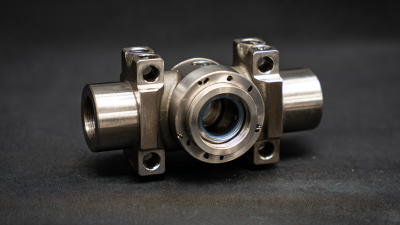
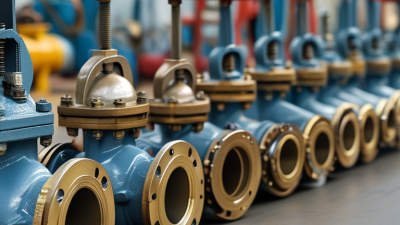
China Top 10 Spring Loaded Check Valve Manufacturers introduces leading Chinese suppliers serving water treatment, chemical processing, oil and gas, HVAC, and industrial equipment markets. The selection focuses on practical manufacturing capability, product consistency, and documented application experience. A reliable manufacturer should offer more than attractive catalog photographs.
This guide examines spring loaded check valve designs, including wafer, threaded, flanged, and sanitary configurations. It considers body materials such as stainless steel, carbon steel, brass, and engineered plastics. Performance details matter. Buyers should compare cracking pressure, temperature range, sealing materials, pressure class, flow direction, and allowable media. A valve that works well on clean water may perform differently with abrasive slurry or high-temperature oil.
The evaluation also reviews production quality, inspection procedures, customization support, and after-sales communication. Evidence may include factory experience, pressure-test records, material traceability, quality certifications, and clear technical drawings. However, a ranking is never completely universal. One supplier may excel in fast delivery, while another provides stronger engineering support for unusual pipe layouts. Not every public claim is equally verifiable. That deserves attention.
Readers should therefore treat this list as a practical starting point, not a final purchasing decision. Request samples, confirm standards, and test critical valves under real operating conditions. Small details can prevent costly failures. This article aims to help engineers, distributors, and project buyers compare China’s top manufacturers with greater confidence, while recognizing that supplier performance can vary by model, batch, and application.
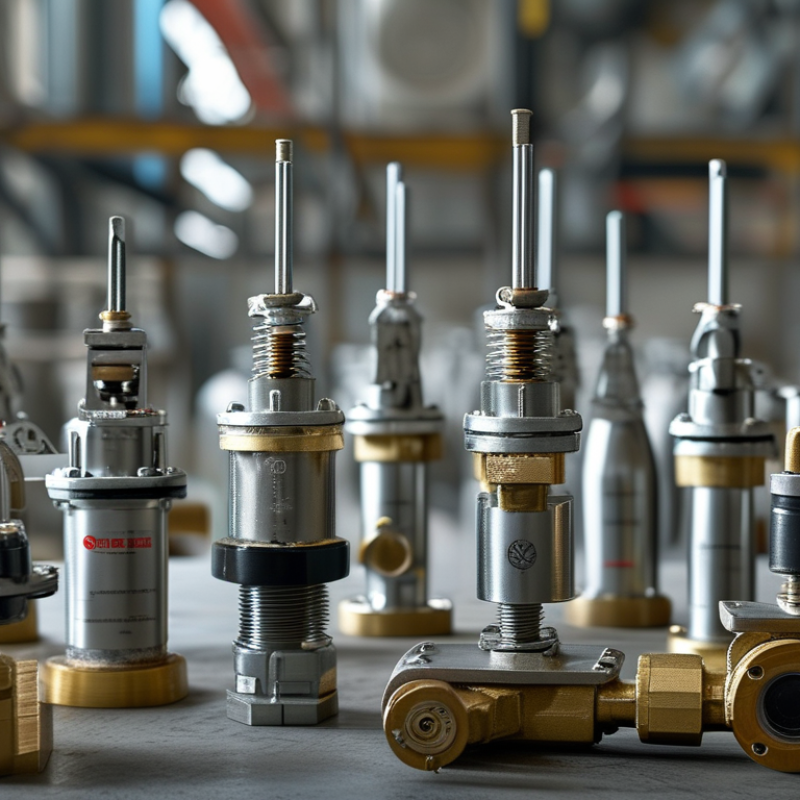
A spring-loaded check valve permits flow in one direction and blocks reverse movement automatically. It contains a valve disc, spring, seat, and body. When upstream pressure exceeds the spring’s cracking pressure, the disc lifts from the seat. Flow then passes through the opening. When pressure falls or reverses, the spring pushes the disc closed before backflow develops.
The mechanism is simple, but sizing is not. According to MarketsandMarkets’ industrial valves report, the global market was valued at approximately USD 78.8 billion in 2023 and may reach USD 94.5 billion by 2028. This growth reflects demanding applications in water treatment, chemical processing, energy, and manufacturing. However, market growth does not make every valve suitable. Engineers must compare flow velocity, pressure loss, temperature, fluid cleanliness, and installation direction. Too strong a spring can restrict flow. Too weak a spring may allow leakage or unstable closing.
Small details matter. A technician should inspect the seat for scratches and confirm the arrow matches the pipeline flow. API and ASME testing practices also emphasize pressure integrity and functional performance. Field experience shows that a valve can pass a bench test yet behave poorly in a vibrating pipe. That assumption is convenient, but incomplete. Real systems need commissioning records, repeat testing, and honest attention to pulsation, water hammer, and maintenance access.
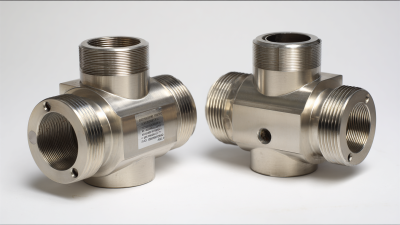
Choosing a Chinese spring loaded check valve manufacturer requires more than comparing catalog prices. In practical sourcing, inspect the factory’s machining areas, pressure-testing stations, and storage conditions. Ask for material certificates, spring specifications, pressure ratings, and traceable batch records. Reliable manufacturers should explain cracking pressure clearly and provide leakage test results for each production lot. Their engineering team must understand flow direction, installation position, temperature limits, and media compatibility. A polished website proves very little.
Factory experience matters. Review similar valve projects, production capacity, inspection equipment, and staff qualifications. Request sample valves before placing a large order. Check the body finish, spring movement, seat alignment, thread quality, and closing response. Independent testing can verify performance when the application is critical. Certifications help, but current certificates and real test records matter more. This is where some evaluations become uncomfortable: a low quotation may reflect efficient production, or weaker materials. You must investigate instead of guessing.
Tips: Visit the facility when possible. Compare test data with the actual drawing. Confirm warranty terms, spare parts, packaging, and response time in writing. Ask how rejected valves are recorded and corrected. Small details reveal discipline. Do not ignore communication quality. A manufacturer that answers technical questions precisely is easier to trust than one that only promises fast delivery. Even experienced buyers can miss hidden variables, especially spring fatigue after repeated cycling. Leave room for independent verification.
| No. | Evaluation Dimension | What to Verify | Relevant Standard or Reference | Objective Evidence and Practical Benchmark |
|---|---|---|---|---|
| 1 | Product Scope and Design | Confirm that the manufacturer produces spring-loaded wafer, flanged, threaded, or in-line check valves suitable for the required flow direction and installation space. | API 6D; ASME B16.34; applicable project specifications | Review dimensional drawings, pressure classes, end-connection details, flow-direction requirements, and published size ranges rather than relying only on catalog descriptions. |
| 2 | Pressure and Temperature Rating | Assess whether the valve body, spring, seat, and sealing materials remain suitable at the specified design pressure and operating temperature. | ASME B16.34; ASME B16.5; ASME B16.47 where applicable | Require pressure-temperature charts, pressure-class identification, material limitations, and confirmation that ratings are not based solely on nominal size. |
| 3 | Material Traceability | Verify the chemical composition, mechanical properties, heat treatment, and traceability of pressure-containing and pressure-retaining components. | ASTM A216; ASTM A351; ASTM A105; EN 10204 | Request material certificates, heat numbers, positive material identification procedures, and a traceable link between certificates and the finished valve. |
| 4 | Pressure Testing Capability | Evaluate shell testing, seat leakage testing, test-medium control, calibrated instruments, and the manufacturer’s ability to provide test records. | API 598; ISO 5208 | Check documented test procedures, calibration certificates, acceptance criteria, test duration, and whether the final test report identifies the valve serial or heat number. |
| 5 | Low-Crack-Pressure Performance | Determine the minimum pressure required to open the disc or piston and confirm stable operation under the stated flow conditions. | Project-specific hydraulic requirements; manufacturer test procedure | Request tested cracking-pressure data, flow-direction information, spring material details, and performance results at representative fluid temperatures and viscosities. |
| 6 | Reverse-Leakage Control | Review seat design, sealing material, surface finish, and leakage classification for gas, liquid, corrosive, or hazardous services. | ISO 5208; API 598; project leakage class | Compare measured leakage results with the specified acceptance class and verify that seat materials are compatible with the medium and operating temperature. |
| 7 | Corrosion and Sour-Service Suitability | Assess material resistance for seawater, chemical service, hydrogen sulfide, chlorides, and other corrosive environments. | NACE MR0175/ISO 15156; NACE MR0103 where applicable | Require written material-compliance statements, hardness data where relevant, coating specifications, and confirmation of compatibility for all wetted components. |
| 8 | Quality Management System | Verify the consistency of design control, purchasing, production, inspection, nonconformance handling, and corrective actions. | ISO 9001; customer quality requirements | Check the validity and scope of the quality certificate, audit reports, inspection plans, production records, and documented corrective-action processes. |
| 9 | Manufacturing and Inspection Capacity | Evaluate machining, welding, heat treatment, nondestructive examination, assembly, cleaning, coating, and final inspection capabilities. | ASME Section V; ISO 9712; approved inspection plan | Review equipment lists, qualified personnel records, NDE procedures, calibration systems, inspection hold points, and production capacity for the required order volume. |
| 10 | Documentation, Delivery, and After-Sales Support | Assess technical documentation, spare-parts availability, warranty conditions, delivery reliability, and response capability after installation. | ISO 9001; project document-control requirements | Require drawings, operation and maintenance instructions, certificates, spare-parts lists, packing records, lead-time commitments, and a documented warranty and claims process. |
China’s Top 10 Spring-Loaded Check Valve Manufacturers are often evaluated through more than production scale. Experienced buyers inspect body materials, spring strength, seat design, and pressure ratings. A reliable manufacturer should provide traceable test records and clear dimensional drawings. Many Chinese factories now use CNC machining, automated pressure testing, and controlled assembly areas. These details matter when valves operate in pumps, water systems, compressed air lines, or chemical processing equipment.
However, rankings are never completely fixed. A supplier with excellent machining may offer slower technical support. Another may provide attractive pricing but limited documentation. No factory is perfect. Buyers should compare production experience, export records, quality controls, warranty terms, and response speed. Site visits, video inspections, and independent testing can improve confidence. The best choice is not always the largest manufacturer; it is the one that consistently matches valve performance with the actual working conditions.
When evaluating China’s top spring loaded check valve manufacturers, product standards should guide the shortlist. Confirm compliance with applicable API, ASME, ISO, or GB requirements. Pressure testing should include shell and seat tests. Ask for pressure-temperature ratings, cracking pressure, and flow direction data. These details affect safe installation and long-term performance.
Material selection depends on the medium and operating conditions. Stainless steel suits many corrosive or hygienic services. Carbon steel may offer practical strength in general industrial lines. Duplex or alloy materials can support harsher chemical and offshore environments. In water treatment, power generation, chemical processing, HVAC, and oil and gas systems, seat design matters greatly. A worn seat can create reverse flow, noise, or water hammer. I would not treat a polished catalog as proof of reliability. Factory audits, inspection records, material certificates, and traceable test reports provide stronger evidence.
Tips: Compare spring force with the system’s actual flow rate. Check installation space before ordering. Request samples of inspection documents. A top-ten ranking is only a starting point, not a final decision. Field feedback is useful, but it can also be incomplete. Reviewing maintenance history may reveal problems that laboratory data misses.
China Top 10 Spring Loaded Check Valve Manufacturers
When comparing a China top-10 shortlist, do not judge suppliers by price alone. Grand View Research valued the global industrial valves market at about USD 78.5 billion in 2022. It also expects steady growth through 2030. MarketsandMarkets projects a similar expansion, although its market boundaries differ. These estimates show demand, not supplier quality. Numbers need context.
Ask each manufacturer for material certificates, pressure-test records, and dimensional drawings. Confirm the valve’s cracking pressure, flow direction, temperature range, and sealing material. A spring-loaded check valve should open smoothly and close without damaging water hammer. Request test evidence based on recognized standards, such as API 598 or ISO 5208, when suitable for your application. Check whether the factory controls machining, assembly, and final inspection internally. Factory visits help. They can also mislead if production changes after approval.
Compare response time, spare-part availability, warranty terms, and export experience. Evaluate samples under your real media and pressure conditions, not only laboratory water. A supplier may offer polished documents but weak traceability. That is a warning. Review batch numbers, inspection signatures, and calibration dates. Confirm whether certificates come from accredited laboratories or internal departments. I would also score communication quality during technical clarification. Slow answers often create costly misunderstandings later. The cheapest quotation may still be reasonable, but only after lifecycle cost, failure risk, and verification effort are measured.
Use this weighted scorecard to compare the same ten shortlisted suppliers consistently. The criteria focus on documented compliance, product quality, engineering capability, delivery reliability, and long-term support rather than company or brand names.
Recommended evaluation weights: verify pressure and temperature ratings against the required application, request material certificates and traceability records, review hydrostatic and seat-leakage test reports, and confirm quality-system documentation before making a final supplier decision.