Back
Contact us

What Are Check Valves and How Do They Work?

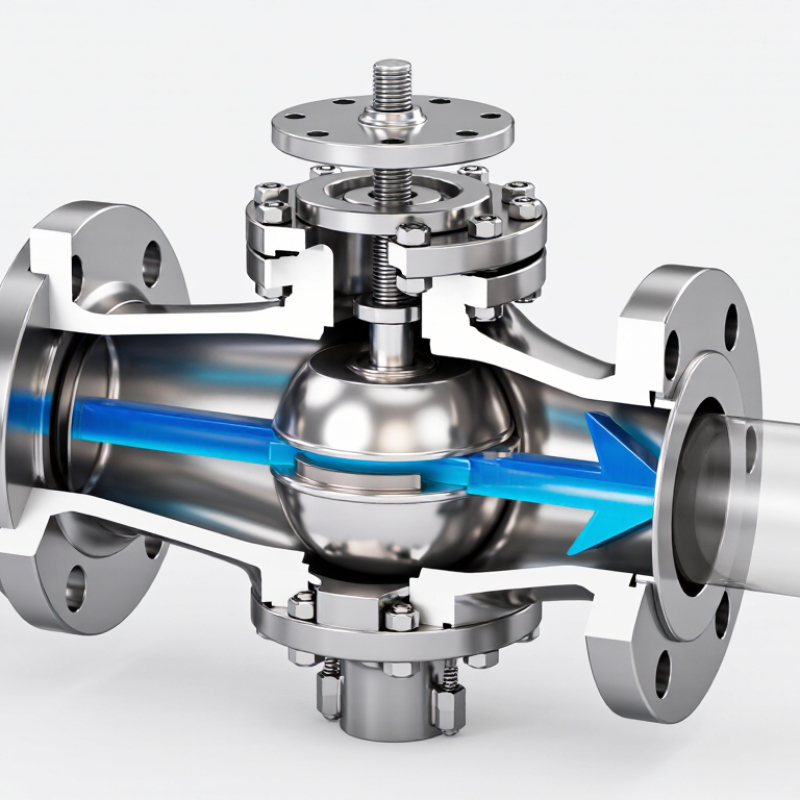
Check valves are simple-looking components with a demanding job. They allow fluid to move in one direction and help prevent unwanted reverse flow. This action protects pumps, compressors, filters, and connected pipelines. Inside the body, a disc, ball, piston, or diaphragm responds to pressure changes. When inlet pressure rises, the closing element moves aside. When flow weakens or reverses, it returns toward its seat. The result is simple. The consequences can be significant.

A practical understanding begins with pressure, flow direction, and installation position. For example, a swing check valve may suit steady liquid flow, while a spring-loaded design can close faster in compact piping. Engineers also consider cracking pressure, temperature, fluid compatibility, pressure loss, and maintenance access. Small details matter. A poorly selected valve may chatter, leak, or close too slowly. That can create noise, vibration, water hammer, or equipment damage. However, no check valve prevents every surge or guarantees zero leakage. Real performance depends on sizing, cleanliness, orientation, and operating conditions. This article explains how check valves work, what happens inside them, and where common designs fit best. It also examines practical limitations that product descriptions sometimes overlook. The explanation is based on standard fluid-control principles and field-focused reasoning, but every installation deserves verification against manufacturer data. Mistakes are possible, especially when system behavior changes after commissioning. Careful inspection remains essential.
What Are Check Valves and How Do They Work?

What Is a Check Valve?

A check valve is an automatic flow-control device. It allows fluid to move in one direction and blocks reverse flow. No handle is required. A disc, ball, piston, or diaphragm responds to pressure differences. When upstream pressure exceeds cracking pressure, the closure element lifts. When flow weakens or reverses, it reseats against the body. The result is simple, but not always gentle. Fast closure can create water hammer, vibration, and damaging pressure spikes. The correct type depends on fluid, temperature, pressure, orientation, and closing speed.

During field inspections, I check the flow arrow, leakage, unusual noise, and debris on the seat. Installation errors remain easy to miss. A swing design may require a horizontal pipe run, while spring-loaded designs often suit tighter layouts. ASME B16.34 provides pressure-temperature considerations for many valve designs. API 6D covers important pipeline valve requirements. A 2024 Grand View Research report valued the global industrial valves market above US$77 billion in 2023. A separate 2024 MarketsandMarkets forecast expects the market to approach roughly US$100 billion before 2030. These figures show industry scale, not product reliability. I would still question any selection based only on line size. Real service conditions matter more.
How Does a Check Valve Control Fluid Flow?

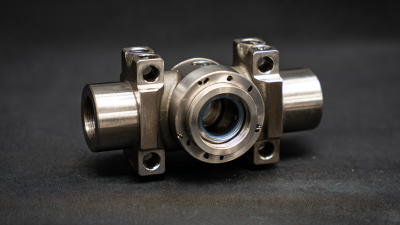
A check valve controls fluid flow by allowing movement in one direction and blocking reverse movement. It opens when inlet pressure exceeds outlet pressure and the valve’s cracking pressure. A disc, ball, or piston then moves away from its seat. When pressure falls, gravity, a spring, or reverse flow pushes the closing element back. The seal must close quickly, or backflow may damage pumps and contaminate process lines.

The U.S. Department of Energy reports that pumping systems can consume 25–50% of industrial facility electricity. Correct check-valve selection can reduce unnecessary recirculation, pressure loss, and pump cycling. A spring-loaded valve often responds quickly in vertical piping. A swing valve may create less resistance in steady, horizontal flow. However, sizing only by pipe diameter is a common mistake. Engineers should review flow velocity, fluid viscosity, temperature, pressure, and water-hammer risk. Field experience also shows that a clean valve can still chatter when flow is unstable. The result is not always neat.

Tips: Confirm the flow arrow before installation. Measure differential pressure during operation. Inspect the seat for scoring, deposits, or uneven wear. Choose a lower cracking pressure when the pump has limited starting pressure. Yet do not select solely for easy opening; weak closure can allow damaging reverse flow. Test the valve under real operating conditions, because laboratory behavior may not match a pulsing process line. Consult applicable requirements in ASME B16.34 and the manufacturer’s certified performance data.

What Are Check Valves and How Do They Work? - How Does a Check Valve Control Fluid Flow?

Check Valve Type Operating Principle How It Controls Fluid Flow Typical Installation Position Main Advantages Important Limitations Common Applications
Swing Check Valve A hinged disc swings away from the seat when the upstream pressure is higher and returns toward the seat when flow reverses. Allows forward flow with relatively low resistance and closes when reverse flow pushes the disc toward the seat. Usually installed in horizontal pipelines; some designs can be used in vertical lines with upward flow. Simple construction, low pressure loss, and suitability for larger pipe sizes. May close slowly, which can allow reverse flow or water hammer in rapidly changing systems. Water distribution, wastewater systems, pumping stations, and general process piping.
Lift Check Valve A guided piston or disc lifts from its seat when inlet pressure is sufficient and drops back onto the seat when the flow stops or reverses. Uses differential pressure to raise the closure member for forward flow and gravity or reverse pressure to shut the passage. Commonly installed in horizontal piping; certain configurations are suitable for vertical upward flow. Good sealing performance and effective resistance to reverse flow. Requires a relatively clean fluid and usually creates more pressure loss than a swing design. Steam, compressed air, water, fuel systems, and process lines with stable flow.
Spring-Loaded Check Valve A spring holds the disc or poppet against the seat. Forward pressure must overcome the spring force before the valve opens. Closes quickly when forward pressure falls, helping limit reverse flow and reducing the time available for backflow. Can generally be installed in multiple orientations, subject to the valve design and manufacturer instructions. Fast response, compact size, and flexible mounting orientation. Spring force adds cracking pressure and may increase pressure drop through the valve. Hydraulic circuits, compressors, chemical lines, dosing equipment, and discharge piping.
Ball Check Valve A ball moves away from the seat during forward flow and returns to the seat when flow stops or reverses. The pressure difference moves the ball automatically, creating a one-way flow path without external control. Often used in horizontal or vertical upward-flow installations, depending on the internal design. Few moving parts, simple operation, and good tolerance for some viscous fluids. May be unsuitable for abrasive fluids if the ball or seat wears; excessive velocity can cause noise or wear. Wastewater, slurry-handling systems, low-pressure pumps, and viscous-fluid service.
Diaphragm Check Valve A flexible diaphragm deflects to permit forward flow and returns to the sealing surface to block reverse flow. Uses fluid pressure and diaphragm elasticity to open and close the flow passage without a metal hinge. Installation orientation depends on the specific design; many versions support horizontal or vertical service. Can provide good isolation from moving mechanical parts and may handle corrosive fluids when compatible materials are selected. Diaphragm materials can fatigue, swell, or degrade if exposed to incompatible temperatures or chemicals. Chemical processing, sanitary systems, metering equipment, and corrosive-fluid service.
Wafer Check Valve A thin disc, split disc, or dual plate opens under forward pressure and closes when the flow reverses. Provides automatic one-direction flow control within a short, lightweight valve body fitted between pipeline flanges. Often installed between flanges in horizontal or vertical piping, according to the valve design. Compact face-to-face length, low weight, and efficient use of pipeline space. Correct alignment is important, and some designs may be sensitive to pulsating flow or high turbulence. Cooling water, air systems, industrial utilities, and space-restricted pipeline installations.
Foot Valve A check valve combined with a strainer is installed at the end of a pump suction line to prevent liquid from draining back. Permits liquid to enter the suction pipe while blocking reverse flow after the pump stops. Installed vertically at the submerged end of a suction pipe or lift line. Helps maintain pump prime and filters larger particles before they enter the suction line. The strainer can clog and create additional suction loss; it must remain adequately submerged. Well systems, irrigation, water transfer, and pump installations that require retained prime.
Dual-Plate Check Valve Two spring-assisted plates open around a central hinge or shaft during forward flow and close independently when flow decreases. Rapid plate movement limits reverse flow and can reduce the risk of severe pressure surges compared with slower-closing designs. Commonly installed between flanges in horizontal or vertical piping, subject to design requirements. Compact, lightweight, fast closing, and suitable for many larger-diameter systems. May require careful selection for pulsating flow, high-velocity service, or fluids containing solids. Water treatment, fire protection systems, power utilities, and industrial process piping.

How a check valve controls flow: A check valve is a self-acting device that permits fluid to move in the intended direction and automatically restricts flow in the opposite direction. It opens when upstream pressure and flow forces exceed the valve’s opening resistance, then closes when forward flow decreases or reverse pressure develops. Correct sizing, installation orientation, fluid compatibility, and closing characteristics are essential for reliable operation.

What Are the Main Types of Check Valves?

Check valves allow fluid to move in one intended direction. They close when flow reverses, protecting pumps, filters, and process lines. In practical maintenance work, the closing action matters as much as the pressure rating. Slow closure can cause backflow. Fast closure may create water hammer. These valves work automatically, without an operator or external power source.

Swing check valves use a hinged disc that opens with forward flow. They usually create low pressure loss and suit many horizontal pipelines. Lift check valves guide a disc or piston upward. They provide reliable sealing but may produce greater pressure loss. Ball check valves use a freely moving ball. Their simple design can handle some viscous fluids, though installation direction still matters. Wafer and dual-plate check valves are compact and close quickly. They are useful where pipeline space is limited. Diaphragm check valves use a flexible membrane and can suit selected sanitary or corrosive services.

Choosing the correct type requires more than matching pipe size. Review the fluid, temperature, pressure, flow speed, and installation angle. Cracking pressure also affects equipment performance. A valve that is too stiff may restrict low-flow systems. One that closes poorly may allow damaging reverse flow. I have seen clean-looking valves fail because debris kept the sealing surface slightly open. That detail is easy to miss. Manufacturer data, inspection records, and actual operating conditions should be checked together.

Where Are Check Valves Used?

What Are Check Valves and How Do They Work?

Check valves are used wherever fluid must move in one direction. They stop water, air, gas, or hydraulic oil from flowing backward. Pressure opens the valve when flow moves forward. Reverse pressure pushes the disc, ball, or flap closed. The action is automatic and needs no electrical control.

Where Are Check Valves Used?

In water systems, check valves protect pumps from backflow after shutdown. A valve near a pump discharge can prevent a full pipe from draining backward. Foot valves inside wells help maintain water in the suction pipe. They are also common in building plumbing, irrigation lines, and wastewater stations.

Heating and cooling systems use check valves to separate flow paths. They can prevent hot water from entering an inactive circuit. In compressed-air equipment, they protect storage tanks and reduce unwanted pressure loss. Hydraulic machinery uses them to hold oil in cylinders, lifts, and control circuits. Small valves may sit inside a pipe, while larger units can weigh several kilograms.

Placement matters more than many people expect. An incorrectly oriented valve may block flow completely. A poorly selected closing speed can also create water hammer, causing sharp pipe movement. Technicians check flow direction, pressure rating, temperature, and cracking pressure during installation. A simple inspection can reveal debris, a worn seal, or a noisy closing action. Some designs work well in clean water but perform poorly with sludge. That detail is easy to underestimate.

How Can Check Valves Be Selected and Maintained?

Selecting a check valve starts with flow direction, pressure, temperature, and fluid composition. The wrong design may slam shut, vibrate, or allow reverse flow. Swing valves suit steady, horizontal pipelines. Lift and spring-loaded valves respond faster in compact systems. For pumps, confirm cracking pressure and pressure-loss curves, not just connection size.

The U.S. Department of Energy reports that pumping systems can consume about 25% of industrial electricity. A poorly selected valve can increase system resistance and operating costs. Check the valve’s pressure-temperature rating against ASME B16.34. For testing, refer to ISO 5208 or API 598 procedures. These standards support consistent leakage and pressure checks, but field conditions still matter. A clean laboratory result does not guarantee reliable service.

Tips: Install the valve with the marked flow arrow. Keep it accessible. During maintenance, inspect the disc, seat, hinge, spring, and nearby pipe supports. Look for scoring, rust, unusual noise, and water hammer. Record opening pressure and leakage trends. Replace damaged soft seals with materials compatible with the fluid and temperature. Never assume a larger valve is safer; excessive clearance can reduce stable operation. In my experience, repeated failures often come from nearby turbulence, not the valve alone. That detail is easy to miss. A short straight-pipe section may help, although the required length depends on the valve design and manufacturer’s test data. Recheck the selection after any pump, flow-rate, or process change.